Scams to Avoid Near Las Vegas Casinos: Unmasking The Bunk Monks on The Strip – 10BET
Las Vegas Casinos vs. Tourist Scams: Unmasking the Bunk Monks on the Strip
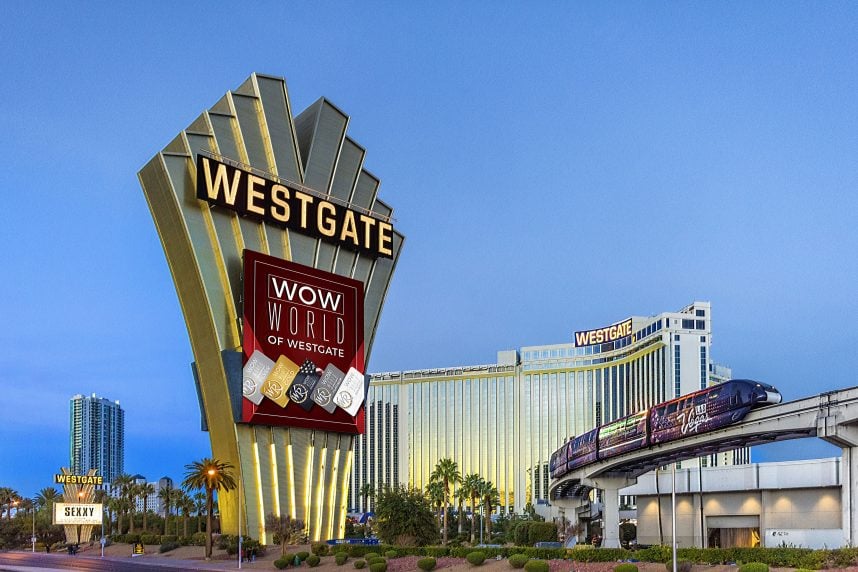
Las Vegas is renowned for its dazzling lights, thrilling entertainment, and the high-stakes energy found within its world-famous Las Vegas casinos. While many visitors flock to the Strip to experience the rush of the gaming floor, a more deceptive presence has emerged amidst the neon glow: the “bunk monks.” These individuals pose as Buddhist monks to solicit donations from unsuspecting tourists, operating a sophisticated scam that preys on the cultural respect and generosity of those navigating the citys vibrant landscape.
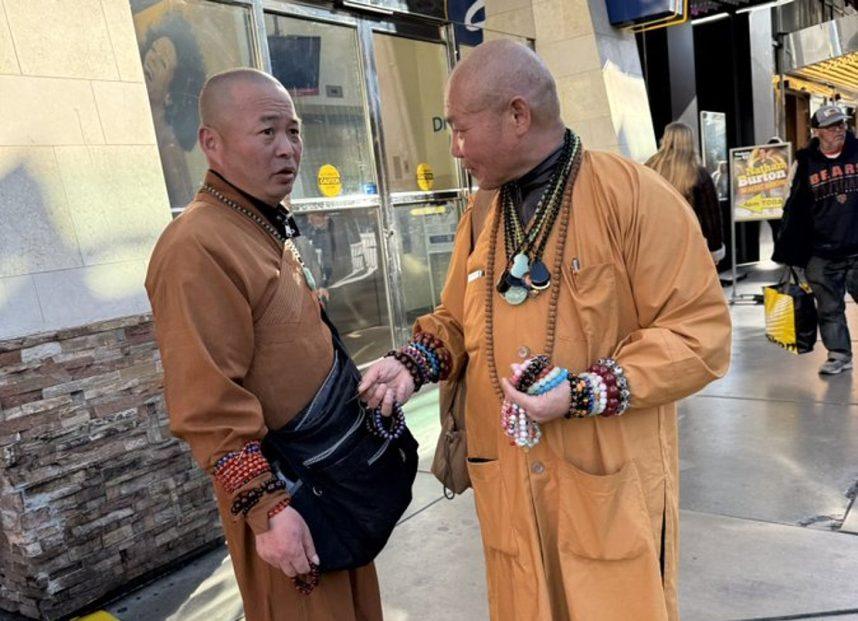
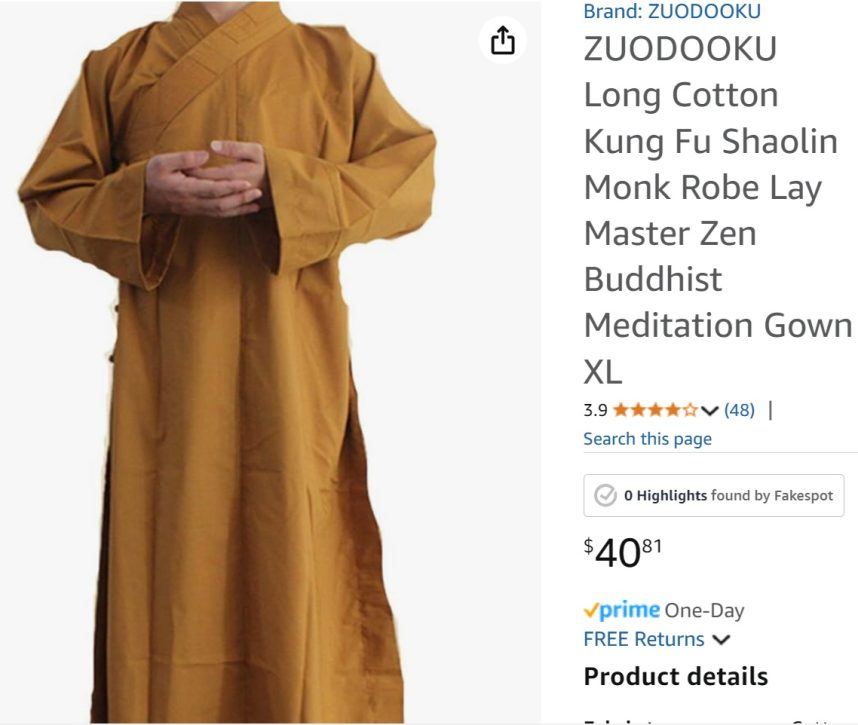
These aren’t your typical costumed characters; the bunk monks meticulously craft an illusion of authenticity. They don’t seek selfies or tips; instead, they offer seemingly innocuous items like cards, medallions, or bracelets, often claiming they hold spiritual significance. The act of receiving a “gift” creates a sense of obligation, leading many tourists to accept the item and offer a thank you, only to be met with an insistent plea for a donation to a non-existent temple.
The audacity of this scam lies in the fact that few people suspect a Buddhist monk would engage in such behavior. This cultural trust is expertly exploited by the bunk monks, who operate with a deceptive calm and often aggressive persistence when seeking financial gain. They are particularly adept at targeting tourists unfamiliar with Buddhist practices.
Table of Contents
The Dharma Bums: A Deceptive Practice
Fundraising for religious institutions is a vital aspect of maintaining temples and supporting their communities. However, within Buddhism, this is typically handled through established, community-based systems. It’s a stark contrast to the aggressive solicitation employed by the bunk monks. 10BET understands the importance of ethical practices and transparency, which is why we promote responsible gambling and discourage deceptive tactics.
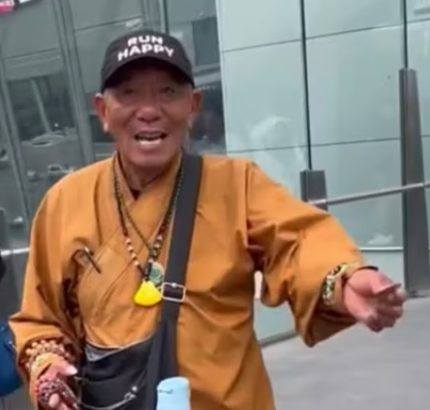
Notably, the majority of the 22 Buddhist temples in Las Vegas explicitly prohibit their members from soliciting donations on the Strip. This aligns with core Buddhist principles that emphasize spiritual purity and detachment from worldly possessions, including money. Legitimate Buddhist monks who do engage in fundraising typically do so with quiet reverence, often chanting, meditating, or avoiding eye contact while donations are placed in a bowl.

Furthermore, Las Vegas has ordinances against aggressive panhandling, which encompass behaviors that can intimidate or coerce individuals into giving money. The bunk monks routinely engage in such behavior – blocking paths, using insistent language, and even physically attempting to grab arms – yet they have remarkably avoided legal repercussions in Las Vegas.
“I didn’t have cash on me, which I told him… I was already around the corner when I heard him behind me yelling to come back. He caught up with me, asking for the bracelet back (and) attempted to try to grab my arm. What resonated for me at this point was the look in his eyes — it was unhinged, sheer insanity… As I walked away, his nerve to ask again for a donation was one of the most shocking, yet unsurprising, things I’ve heard in a minute.”
A Growing Problem: Scams Across Borders
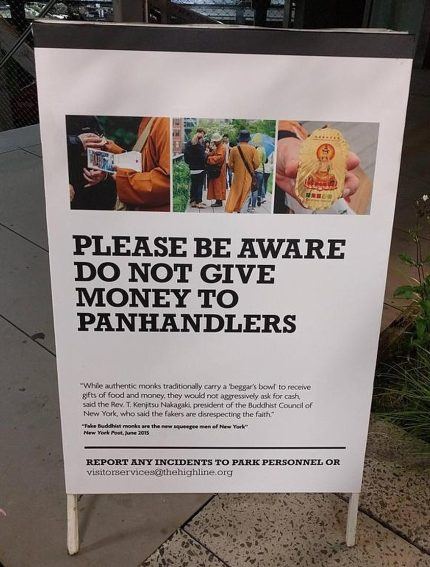
The bunk monk phenomenon isn’t confined to Las Vegas; it’s a growing problem with reports emerging from tourist hubs across the United States, Canada, Australia, and even China since at least 2014. In 2019, the High Line in New York City issued warnings to visitors, including photographs of these deceptive individuals. These reports highlight the widespread nature of this scam and its ability to exploit cultural perceptions.
Investigations into the organization behind these scams have yielded little concrete information. In 2016, the Associated Press questioned several monks soliciting donations in Times Square, only to be met with vague claims of a temple in Thailand, coupled with a refusal to provide specific details or even their names.
The bunk monks effectively masquerade as representatives of a religious order to gain trust and sympathy. They leverage the inherent respect for Buddhist practices to facilitate their fraudulent activities. This highlights the importance of remaining vigilant and discerning when encountering unsolicited requests for donations, particularly from individuals presenting themselves in a manner that seems overly pious or detached from material possessions.
To stay safe while exploring Las Vegas, it’s crucial to be aware of common scams. Grandrushonline.com provides a comprehensive list of the Top 5 Vegas Scams to help tourists avoid becoming victims.
Conclusion
The bunk monks represent a deceptive and exploitative scam that preys on tourists’ generosity and cultural understanding. By posing as Buddhist monks, they manipulate perceptions of piety and spiritual respect to solicit donations for non-existent temples. This practice not only violates the core tenets of Buddhism but also undermines the genuine charitable efforts of legitimate religious organizations. Remaining vigilant, questioning unsolicited requests, and being aware of common tourist scams are essential steps in protecting oneself from becoming a victim.
Remember to explore responsible gambling practices with 10BET and be aware of your surroundings when visiting Las Vegas.