Uploaded via WPAPI

Las Vegas Resorts & Concerts: Tom Jones, Bruno Mars & Katy Perry – 10BET

Experience World-Class Entertainment at Las Vegas Resorts: Tom Jones, Bruno Mars & Katy Perry Headline Upcoming Shows

Las Vegas continues to be the entertainment capital of the world, where the thrill of the gaming floor meets world-class spectacle. Many visitors find that the most unforgettable way to experience the city is by staying at premier Las Vegas resorts, which serve as the ultimate hubs for both high-stakes excitement and massive musical productions. The upcoming months are packed with performances from some of the biggest names in music, ranging from legendary artists making a comeback to pop icons embarking on world tours. Here’s a breakdown of what you need to know about Tom Jones, Bruno Mars, and Katy Perry’s upcoming appearances.

Tom Jones Returns to the Vegas Stage

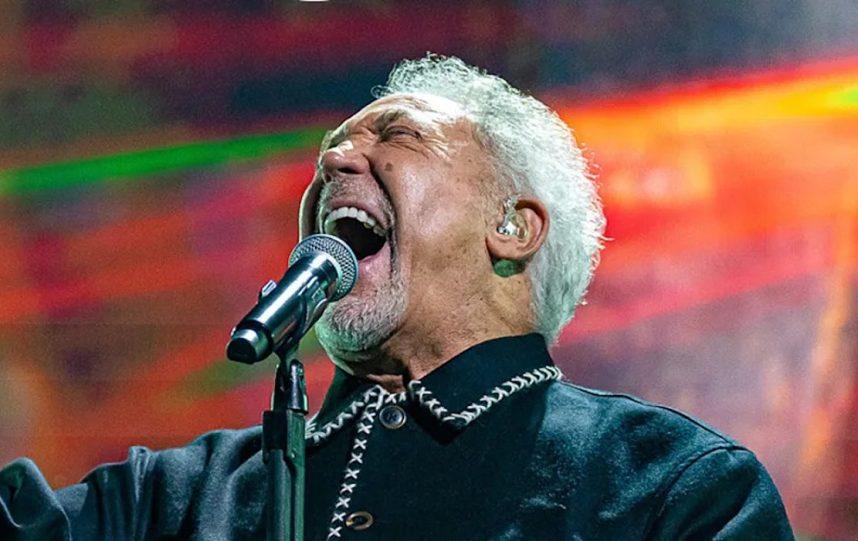
It’s quite remarkable that Tom Jones, a Las Vegas headliner since 1968 at the Flamingo, is set to return to the city. Instead of a traditional off-strip package tour, he’s opted for a mini residency at the Wynn Las Vegas, calling it “Defy Expectation.” This limited run will take place on May 14th, 16th, and 17th.

Get 250% BONUS up to $5500 + 250 FREE SPINS

Tickets go on sale January 31st at 9 a.m. PT via Ticketmaster. Jones expressed his love for performing and sharing the stage with his fans in a recent X post, promising an unforgettable experience. Fans can anticipate hearing all his classic hits.

Bruno Mars Extends His Residency

Bruno Mars is solidifying his place as a Vegas superstar by adding seven more dates to his already impressive Park MGM residency. This brings his total to an astounding 99 solo performances! This incredible feat doesn’t even include the 34 shows he shared with Anderson .Paak as Silk Sonic, further demonstrating his dominance in the music scene.

The newly announced concerts are scheduled for May 21st, 24th, 25th, 28th, 30th, 31st, and June 2nd. Expect a setlist spanning his entire career, including potential performances of his latest collaborations with Rosé (

Uploaded via WPAPI

NFL & RGC Partner for Student-Athlete Responsible Gambling Education – 10BET

NFL and Responsible Gambling Council Partner to Promote Responsible Gambling Among Student Athletes

The National Football League (NFL) and Canada’s Responsible Gambling Council (RGC) have united to launch a vital educational initiative aimed at protecting student-athletes from the risks associated with gambling. Recognizing that this demographic may be particularly vulnerable, the partnership will develop and implement a comprehensive responsible gambling training program.

Student-athletes discussing responsible gambling

Addressing Vulnerability in Student Athletes

Student-athletes face a unique combination of pressures – rigorous academic schedules, demanding athletic commitments, and increased exposure to sports betting. Research indicates that this environment can heighten their susceptibility to problem gambling. The NFL and RGC are proactively addressing this vulnerability by providing targeted education and resources.

The New Responsible Gambling Training Program

The program will be piloted at eight universities and colleges across Canada during the 2025 spring semester, with plans for a broader rollout to 30 institutions in 2025-26. This comprehensive training will equip student-athletes with the knowledge and skills necessary to make informed decisions about gambling.

Get 250% BONUS up to $5500 + 250 FREE SPINS

“Our partnership with the NFL is a crucial step in supporting this group by providing the education and tools needed to make informed decisions,” states Sarah McCarthy, CEO of the Responsible Gambling Council. “Early responsible gambling education helps student-athletes build capacities to succeed both on and off the field.”

Key Components of the Program

  • Risk Awareness: The program will educate athletes about the potential risks associated with gambling, including the psychological and financial consequences.
  • Recognizing Harm: Participants will learn to identify the signs of gambling harm in themselves and others. This includes understanding the impact on personal relationships, academic performance, and overall well-being.
  • Susceptibility Factors: The program addresses the unique factors that may make student-athletes more vulnerable to developing gambling problems.
  • Resource Navigation: Athletes will be provided with information on where to access support and resources if they or someone they know is struggling with gambling-related harm. This includes helplines, counseling services, and online resources.
  • Training the Trainer: The Gambling Council is focused on empowering individuals within universities and colleges to deliver this program effectively. This ensures that the information is consistently and accurately conveyed to student-athletes.

The curriculum will incorporate engaging video content, interactive exercises, and real-life scenarios to enhance learning and retention. The goal is to foster a culture of responsible gambling within university and college athletic communities.

Benefits for All

Anna Isaacson, NFL Senior Vice President of Social Responsibility, emphasizes the broader benefits of this initiative: “We also hope to gain insights that will be invaluable in shaping future responsible gambling efforts to benefit all those who play and engage with our game as fans.” This suggests a commitment to responsible gambling practices extending beyond just student-athletes.

The NFL’s involvement underscores the importance of proactive measures to prevent problem gambling. By partnering with the RGC, they are demonstrating a commitment to the well-being of their athletes and fostering a more responsible gaming environment. This program isn’t just about preventing harm; it’s about empowering individuals to make informed choices and seek help when needed.

Learn more about responsible gambling resources at 10BET.

Conclusion

The NFL and Responsible Gambling Council’s partnership represents a significant step forward in promoting responsible gambling among student-athletes. By providing targeted education, resources, and training, this initiative aims to mitigate the risks associated with gambling and foster a safer environment for young athletes. The program’s expansion plans demonstrate a long-term commitment to addressing this critical issue. This proactive approach not only protects individuals but also contributes to a more responsible and sustainable sports industry.

Uploaded via WPAPI

How New York’s Gaming Board Expansion Impacts Casino Licenses – 10BET

Strengthening New York’s Gaming Oversight: New Appointments to Regulate Casino Licenses and Facility Locations

The New York State Gaming Commission (NYSGC) has announced the appointment of two new members to the New York Gaming Facility Location Board, a strategic move that could significantly accelerate the distribution of highly anticipated casino licenses for downstate locations. By adding new expertise to the board, the commission aims to streamline the complex evaluation process, paving the way for the formal awarding of these prestigious casino licenses to the most suitable gaming venues.

New York casino license

The newly appointed members are Marlon Phillips, III and Greg Reimers. Their additions bring the board’s total membership to five, joining Chair Vicki Been, Carlos Naudon, and Stuart Rabinowitz. This strengthened board will play a crucial role in recommending sites for the new casinos to the NYSGC.

The Manhattan skyline. The New York Gaming Facility Location Board added two new members today. (Image: Shutterstock)

About the New Board Members

Marlon Phillips, III

Marlon Phillips, III brings a wealth of experience in community development and DEI to the board. He currently serves as the Senior Vice President for Community Development, Diversity, Equity, and Inclusion at U.S. News & World Report. His previous roles at Empire State Development included significant involvement in major development projects like Queens West, Atlantic Yards, and the New York Empowerment Zone Corporation. This background is invaluable in assessing the community impact of potential casino sites.

Get 250% BONUS up to $5500 + 250 FREE SPINS

Greg Reimers

Greg Reimers joins the board with extensive real estate expertise. He retired from JPMorgan Chase, where he held a senior position as a real estate banker. Prior to that, he served as an executive vice president at the Bank of New York, managing large teams providing commercial banking and real estate credit services. His deep understanding of real estate finance will be critical in evaluating the financial viability of proposed casino hotel locations.

The Role of the Gaming Facility Location Board

The New York Gaming Facility Location Board is tasked with a vital role in the casino siting process. While the New York State Gaming Commission ultimately makes the final decision on which groups will be awarded the licenses, the board provides crucial recommendations based on a variety of factors. These include:

  • Crime considerations: Assessing the potential impact of a casino on local crime rates and public safety.
  • Environmental impact: Evaluating the environmental consequences of developing a casino site.
  • Traffic implications: Analyzing the potential increase in traffic congestion and infrastructure needs.
  • Community feedback: Considering the concerns and opinions of local residents and businesses.

The process of awarding the three downstate casino permits has faced considerable challenges, including bureaucratic delays and scrutiny over potential conflicts of interest. Governor Kathy Hochul recently vetoed legislation aimed at accelerating the bidding timeline, suggesting that the winning bidders will likely be announced later this year.

There is widespread speculation that MGM Resorts International’s Empire City Casino in Yonkers and Resorts World New York in Queens are strong contenders for two of the licenses. This means that the remaining permit is likely to be contested by a smaller number of applicants. The board’s recommendations will significantly influence the final outcome.

Why These Appointments Matter

The NYSGC’s decision to appoint experienced professionals like Phillips and Reimers reflects the importance of a thorough and well-informed site selection process. Their expertise in community development and real estate, respectively, will help ensure that the chosen casino locations are not only economically viable but also beneficial to the communities they are situated in. Choosing the right location is paramount for the success of any casino venture.

Here’s a quick fact: The economic impact of a new casino can be substantial, bringing jobs and tax revenue to a region. However, careful planning and community engagement are essential to maximize these benefits and mitigate potential negative consequences.

Conclusion

The appointment of Marlon Phillips, III and Greg Reimers to the New York Gaming Facility Location Board is a significant step forward in the process of awarding the state’s first downstate casino licenses. Their diverse expertise will be invaluable as the board makes recommendations to the NYSGC, ultimately shaping the future of the gaming industry in New York. The focus on community impact and practical considerations highlights the commission’s commitment to responsible development. Stay tuned for further updates on this evolving story.

Explore more about casino regulations and the future of gaming in New York at 10BET.

Uploaded via WPAPI

Online Gambling Mogul Claims Abuse and Political Persecution in Jail

Jailed Mogul Claims Political Persecution and Abuse Following Arrest in Online Gambling Crackdown in Thailand

10BET is a leading online gambling platform offering a wide range of casino games, sports betting, and more. Join 10BET today!

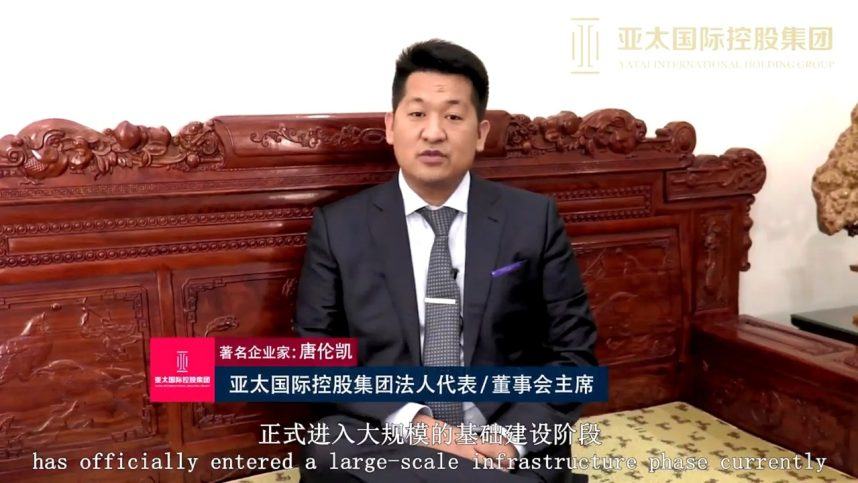
She Zhijiang, Yatai New City, Shwe Kokko, Myanmar

Chinese Cambodian businessman She Zhijiang, the chairman of Hong Kong-registered Yatai International Holdings Group, is currently in a dire situation. According to his legal team, the controversial gambling magnate has been subjected to “inhumane” treatment while imprisoned in Thailand following an arrest orchestrated by the Chinese government in 2022. The allegations paint a disturbing picture of abuse and political persecution.

Gambling and international affairs

The Rise of Yatai New City: A Controversial Development

She Zhijiang’s company, Yatai International Holdings Group, is responsible for the sprawling development of Yatai New City, also known as Shwe Kokko, located in Myanmar’s Kayin (Karen) State. Initially envisioned as a futuristic hub akin to Singapore – a “smart city” integrating science, technology, gambling, entertainment, tourism, culture, and agriculture – the project has taken a dark turn.

Numerous reports now portray Shwe Kokko as a notorious center for new casinos, illegal online gambling operations, sophisticated scam networks, and alarming human trafficking activities. This transformation from a promising development to a shadowy hub highlights the complexities of international business and the potential for exploitation.

Get 250% BONUS up to $5500 + 250 FREE SPINS

From Boomtown to Battleground: The Unique Setting of Shwe Kokko

The Yatai New City development exists within a unique and volatile environment. It’s a neon-lit boomtown situated in a war-torn region dominated by ethnic insurgents who maintain a fragile allegiance to the military junta while exercising significant autonomy. This complex power dynamic has allowed illicit activities to flourish.

She Zhijiang is currently facing extradition to China, where he is wanted for allegedly operating illegal online gambling operations across Southeast Asia targeting Chinese citizens. The scale of these operations is staggering; in 2014, a Chinese court convicted him in absentia for running an illegal lottery business from the Philippines, generating an estimated 298 million yuan ($298 million) in profits for himself.

Claims of Espionage and Political Persecution

She Zhijiang, also known by several aliases including She Kailun, She Lunkai, Dylan She, and Tang Kriang Kai, has maintained that his arrest in Bangkok, prompted by an Interpol red notice, is politically motivated. He claims to be a Chinese spy who defied orders, and has even voiced fears of being “killed” if he returns to China. In a video interview with Al Jazeera in September, filmed from behind bars, She asserted this belief.

A letter to Interpol, dated January 9th and obtained by Reuters, details She’s allegations of severe mistreatment while in custody. His lawyers claim he has been subjected to solitary confinement, including being chained, and has suffered violence resulting in an inability to walk. Furthermore, he alleges denial of medical care, restricted family contact, and unwanted visits from Chinese officials.

Interpol’s Dilemma: Balancing Law Enforcement and Political Concerns

She’s legal team is actively lobbying Interpol to dismiss the red notice, arguing that the international law enforcement agency should not endorse arrests perceived as politically motivated. Interpol’s own regulations prohibit such endorsements, creating a complex situation for the agency.

The Alleged Recruitment and Belt and Road Connection

During the Al Jazeera interview, She claimed he was recruited by China’s Ministry of State Security in 2016. The alleged deal involved the Chinese government dropping the illegal gambling case against him in exchange for his cooperation. He also asserted that the Chinese government tasked him with establishing a “colony” in Myanmar as part of its Belt and Road economic plan.

She has consistently promoted the Yatai development as a key component of Beijing’s Belt and Road initiative – a long-term strategy to build a China-centered global trading network by 2049. However, the Chinese government has vehemently denied any official backing for the project, emphasizing that it does not sanction overseas gambling ventures.

Economic Sanctions and Allegations of Forced Labor

The UK government took a significant step in December 2023 by imposing economic sanctions on She Zhijiang. These sanctions are linked to allegations of his involvement in “forced labor schemes,” where victims were allegedly trafficked to work in online scam farms.

Conclusion

The case of She Zhijiang highlights the murky intersection of gambling, international politics, and human rights. From its ambitious beginnings as a futuristic city, Yatai New City has transformed into a shadowy hub for illegal activities, with allegations of abuse and political persecution adding another layer of complexity. As legal battles continue and international scrutiny mounts, the future of She Zhijiang’s case remains uncertain, but the revelations underscore the need for greater transparency and accountability in global development projects.

Featured Image Keyword:

Gambling in Southeast Asia

Categories:

Blog

Uploaded via WPAPI

How DeSantis’s Plan to Limit Ballot Initiatives Could Impact Casino Licenses in Miami?

How DeSantis’ Plan to Limit Ballot Initiatives Could Jeopardize Future Casino Licenses in Miami

The burgeoning hope for a new casino resort in the vibrant Miami area faces a significant hurdle, as the legal landscape for obtaining essential casino licenses becomes increasingly uncertain. This uncertainty stems from Florida Governor Ron DeSantis’s recent push to restrict citizen-led ballot initiatives, a move that could fundamentally alter how Floridians propose constitutional amendments. Such regulatory shifts could create complex roadblocks for developers seeking the necessary casino licenses, potentially impacting the future growth and expansion of the gaming industry in South Florida.

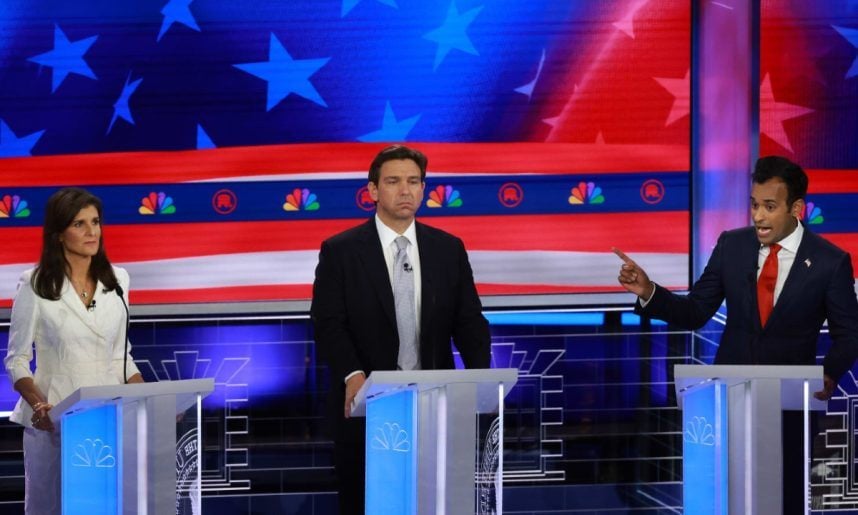
DeSantis Haley 2024 odds Donald Trump

Casino and gambling related image

A Swift Push for Change

Governor DeSantis has initiated a special legislative session, urging lawmakers to swiftly approve his proposal. The draft legislation, as reported by CNN, aims to change the way petition drives translate into ballot referendums. Currently, Florida law allows for a ballot question if 900,000 signatures are collected in support of an initiative. However, DeSantis’s plan would mandate that each Floridian individually request a form from their local elections office to express support, effectively making it harder to gather the necessary signatures.

Impact on the Gaming Industry

Get 250% BONUS up to $5500 + 250 FREE SPINS

This change is particularly relevant to the gaming industry, as exemplified by the 2018 Amendment 3 drive. This initiative successfully removed the power to award new casino licenses from state lawmakers, a significant victory for the industry’s expansion in Florida. The potential restriction of ballot initiatives could stifle future efforts to bring casinos to the state.

Potential Fallout with President Trump

DeSantis’s actions may also create friction with President Donald Trump, a resident of Florida. The Trump Organization owns Trump National Doral, a golf resort in Miami, and had previously attempted to secure a gaming license in 2021. This endeavor was spearheaded by the president’s sons, Donald Jr. and Eric.

The desire to bring a casino to the Miami area is not exclusive to the Trump Organization. Fontainebleau Miami Beach owner Jeffrey Soffer has long expressed his interest in developing a casino at the iconic venue. Soffer has a history of supporting the Republican Party of Florida and various GOP officials within the state.

The push for casinos in Miami has faced opposition from local residents and prominent Republican donors like Ken Griffin, founder of Citadel. In a recent op-ed published in the Miami Herald, Griffin argued that Florida’s thriving economy, significantly boosted by the Miami region, could be negatively impacted by the addition of casinos.

DeSantis’s Rationale: Restoring Petition Integrity

Governor DeSantis maintains that his proposal is aimed at restoring integrity to the petition drive process. He has frequently stated that many signature collectors are paid staff for special interest groups, arguing that the Florida constitution should not be susceptible to the highest bidder.

Interestingly, the Seminole Tribe, which operates Hard Rock International – the dominant casino operator in Florida – may also welcome limitations on gaming-related ballot initiatives. In recent years, Florida lawmakers have introduced bills concerning the proximity of new gaming venues to existing Hard Rock casinos. This is a key factor driving interest in Miami as a potential location for a new casino, as it poses no geographic threat to the tribe’s established properties.

Key Facts About Casino Gambling in Florida

  • Florida currently has 18 casinos in operation, generating over $2 billion in tax revenue annually.
  • The Seminole Tribe operates the largest casino in Florida, Hard Rock Hotel & Casino Tampa.
  • Amendment 3 (2018) significantly altered the process for awarding casino licenses, shifting power away from lawmakers.
  • The debate over casino expansion in Miami often involves concerns about economic impact and competition with existing gaming operations.

Conclusion

Governor DeSantis’s plan to limit ballot initiatives presents a potential setback for the casino industry’s ambitions in Florida, particularly in the Miami area. While DeSantis argues his proposal is to ensure petition integrity, it could have significant repercussions for future gaming expansion and potentially strain relationships with key political figures. The debate highlights the ongoing tension between citizen-led initiatives and government control over constitutional amendments, with far-reaching implications for the state’s political and economic landscape.

Uploaded via WPAPI

Impact on the Gambling Industry: Malta Casino Tycoon Granted Bail in Journalist Murder Case – 10BET

How the Malta Casino Tycoon Murder Case is Shaking the Gambling Industry

10BET is committed to responsible gambling and transparency. We understand the gravity of the Daphne Caruana Galizia case and its implications for the gambling industry. This article provides a detailed overview of the recent developments, exploring the background of the case and its potential impact.
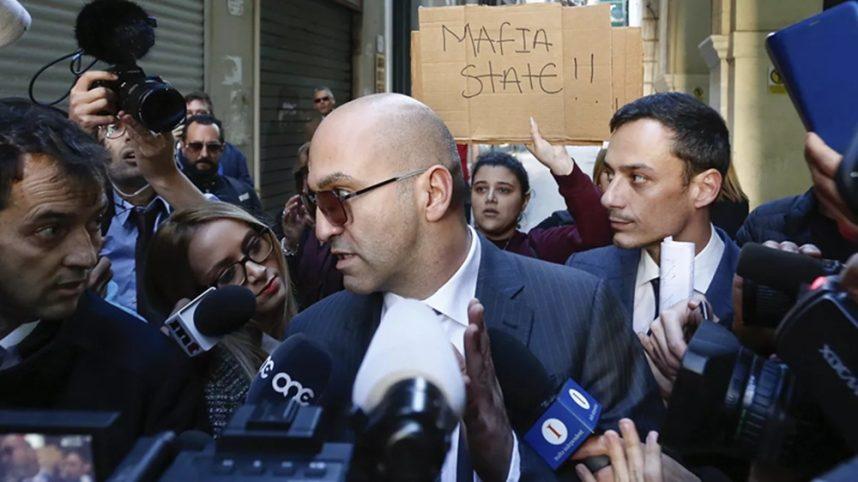
daphne caruana galizia, yorhen fenech, bail

Casino owner Yorgen Fenech outside a court in Valetta, Malta, shortly after being charged with the murder of Daphne Caruana Galizia in 2019. In the background, a protestor holds up a sign bearing the words “Mafia State.”

The Case Against Yorgen Fenech: A Timeline

Yorgen Fenech, a prominent figure in Malta’s business world and owner of major casinos like Qawra Oracle Casino and Portomaso Casino, has been granted bail after more than five years of being held in connection with the murder of journalist Daphne Caruana Galizia. The case has captivated international attention, exposing alleged corruption and raising serious questions about political influence.

The Arrest and Initial Allegations

Fenech was arrested in November 2019 while attempting to flee Malta by yacht. He was suspected of being complicit in the 2017 assassination of Daphne Caruana Galizia, a journalist known for her investigative reporting on corruption within the Maltese government and its connections to offshore finance. As the majority shareholder in the Tumas Group, Fenech’s business interests are deeply intertwined with Malta’s gambling sector.

Daphne Caruana Galizia’s Investigation: The Panama Papers and 17 Black

Caruana Galizia was investigating a Dubai-registered company called 17 Black, which she believed was linked to high-ranking officials in the Maltese government. Her investigation uncovered that 17 Black planned to make a significant payment to two offshore shell companies owned by Keith Schembri, then chief aide to Prime Minister Joseph Muscat, and Konrad Mizzi, Malta’s energy minister.

Key facts about the Panama Papers connection:

  • The Panama Papers revealed extensive offshore financial dealings of numerous individuals and companies.
  • Caruana Galizia’s investigation specifically focused on 17 Black’s payments to shell companies linked to government officials.
  • This investigation highlighted potential conflicts of interest and corruption within the Maltese political establishment.

Get 250% BONUS up to $5500 + 250 FREE SPINS

The Murder and Subsequent Investigations

Caruana Galizia was killed in October 2017 when a bomb exploded in her car. Following her death, an international team of investigative journalists continued her work, ultimately uncovering Fenech’s alleged involvement. The mastermind of the murder plot is believed to be Melvin Theuma, who allegedly confessed in exchange for a pardon.

The investigation revealed that:

  • Fenech was allegedly the mastermind behind Caruana Galizia’s murder.
  • Melvin Theuma, an alleged middleman, implicated several individuals in the plot.
  • The murder was reportedly carried out by three gangster brothers: George and Alfred Degiorgio, and an associate. These individuals have since been convicted and are serving lengthy prison sentences.

The Corrupt Energy Contract

Prosecutors believe that Fenech ordered Caruana Galizia’s murder out of fear that she would expose a potentially corrupt $500 million energy contract awarded to Electrogas, a company in which Fenech held a substantial stake. This contract has been the subject of intense scrutiny and allegations of bribery and corruption.

The Electrogas Contract: A Controversial Deal

The awarding of the energy contract to Electrogas was highly controversial, with accusations of conflicts of interest and questionable financial dealings. This contract is a central element in the prosecution’s case against Fenech.

Bail Conditions and Future Trial

Fenech has repeatedly sought bail since his arrest but had previously been denied due to concerns about him fleeing the country. The recent decision by the court to grant bail comes after years of pretrial proceedings, but a trial date has not yet been set.

Key aspects of Fenech’s bail conditions:

  • He is restricted from going within 50 meters (160 feet) of the coast or an airport.
  • He is subject to a curfew from 5 p.m. to 11 a.m.

His bail is secured by his aunt’s 15% stake in the Tumas Group, representing a significant financial risk to her if he attempts to leave the country.

The Impact on Malta’s Reputation

The Daphne Caruana Galizia case has had a devastating impact on Malta’s international reputation. It has raised serious concerns about corruption, transparency, and accountability within the country’s political and business sectors. This case underscores the importance of responsible corporate conduct in the gambling industry.

Responsible Gambling and 10BET’s Commitment

10BET is dedicated to promoting responsible gambling practices and maintaining the highest standards of integrity. We are committed to working with regulatory bodies and stakeholders to combat money laundering and other forms of financial crime within the gambling industry.

Learn more about responsible gambling here.

Conclusion

The granting of bail to Yorgen Fenech marks a significant development in a long-running and complex case. The allegations against him have far-reaching implications for Malta’s political and economic landscape, as well as the reputation of the country’s gambling industry.

This case serves as a stark reminder of the importance of transparency, accountability, and ethical conduct in all sectors, particularly in industries with significant financial stakes like gambling. 10BET continues to champion responsible gambling initiatives and uphold the highest standards of integrity within the online gambling landscape.

Keywords: Daphne Caruana Galizia, Yorgen Fenech, Malta, Corruption, Gambling, 17 Black, Panama Papers, Electrogas Contract

Featured Image Keyword Suggestion (Pixabay): “Malta harbor with casino buildings”

Categories: Blog

Conclusion

In conclusion, the granting of bail to Yorgen Fenech in the Daphne Caruana Galizia murder case is a significant, yet complex development. The case highlights serious issues concerning corruption within Malta’s political and business sectors, with implications extending to the country’s reputation and industries like gambling. 10BET remains committed to responsible gambling practices and upholding integrity within the online betting environment.


Uploaded via WPAPI

How Military Members Misused Travel Cards for Casino Gambling – $500K in Improper Expenses

US Military Members Misuse Travel Cards for Casino Gambling, Spending Over $500K

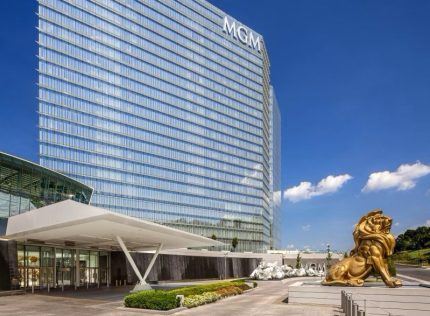
Image: MGM National Harbor. While many visit the Maryland establishment for entertainment, the facility became a frequent destination for service members using improper expenses to fund their sessions of casino gambling. (Image: MGM)

MGM National Harbor

A recent report highlights a concerning trend of US military members misusing government-issued travel cards for unauthorized spending, particularly at casinos and nightclubs. During the 2023 fiscal year, service members spent over $500,000 on improper expenses using these cards, as revealed in a report by Task & Purpose, citing a Defense Department audit.

The Defense Department Audit: Uncovering Unauthorized Spending

The audit, titled “Audit of the DoD Government Travel Charge Card Program: The Visa IntelliLink Compliance Management System,” focused on potential fraud and unauthorized spending associated with the program. The findings paint a picture of service members leveraging their government travel charge cards (GTCCs) for personal entertainment and gambling, rather than strictly for official travel expenses.

MGM National Harbor: A Hub for Improper Charges

The report specifically detailed instances of improper charges at MGM National Harbor Hotel & Casino in Maryland. One service member, for example, engaged in five months of gambling, utilizing the card for cash withdrawals. This individual conducted 21 withdrawals, totaling $10,633 (including ATM fees), at both MGM National Harbor and another gaming property in Maryland. Despite some attempts to prevent these withdrawals, a significant number successfully went through.

Get 250% BONUS up to $5500 + 250 FREE SPINS

These improper charges weren’t confined to specific times; many occurred on federal holidays like Super Bowl weekend, St. Patrick’s Day, and Cinco De Mayo, indicating a pattern of abuse during periods of increased leisure.

Online Spending: $150K on Google Play

The audit also revealed that a substantial portion of improper charges stemmed from online spending. Between 2020 and 2024, service members spent approximately $150,000 on Google Play apps using their government travel charge cards. This highlights a broader issue of misuse extending beyond physical locations.

Historical Precedents: Past Instances of Misconduct

The current audit isn’t an isolated incident. A 2015 audit by the Defense Department’s Inspector General’s office uncovered nearly $1 million in gambling charges and around $100,000 spent at strip clubs by service members. These past findings underscore a persistent vulnerability within the GTCC program.

Understanding the Government Travel Charge Card (GTCC) Program

The GTCC program is designed to provide military personnel with a convenient and secure way to pay for official travel expenses, such as hotels, meals, and car rentals. Officially, it’s intended to eliminate the need for travelers to use personal funds for mission-related travel. The program also offers insurance coverage for rental cars, lost luggage, and personal injury, alongside streamlined reimbursement processes through the DoD’s travel system.

The GTCC allows cardholders to withdraw cash, but it’s strictly meant for official business expenses. However, the audit reveals that these cards are being exploited for personal gain.

The Scale of Misuse: Billions in Transactions

The military issues approximately 2.3 million travel cards, with cardholders conducting about 24 million transactions in the 2023 fiscal year, totaling roughly $6.4 billion. While the vast majority of these transactions are legitimate and authorized, the improper spending highlighted by the recent audit represents a significant financial risk and a violation of military regulations.

The misuse of GTCCs not only impacts the Department of Defense financially but also raises concerns about fiscal responsibility and the potential for compromised judgment among service members.

Conclusion

The recent report detailing over $500,000 in improper gambling expenses incurred by US military members using government travel charge cards is a serious matter. This incident, along with past findings of significant misuse, underscores the need for stricter oversight and enforcement within the GTCC program. The program’s intended benefits – providing convenient payment for official travel expenses – are being undermined by unauthorized spending on entertainment and gambling. Addressing this issue requires a multi-faceted approach, including enhanced monitoring, clearer guidelines, and potentially disciplinary measures to ensure that these valuable resources are used appropriately and in accordance with regulations.

Keywords: military gambling, government travel cards, GTCC misuse, Defense Department audit, improper expenses, casino spending, online gambling, 10BET

Featured Image Keyword for Pixabay: “casino gambling military”

Uploaded via WPAPI

Maximizing Casino Revenue: Boosting Gaming Profits and Charitable Contributions | 10BET

Maximizing Casino Revenue in Cedar Rapids: Driving Gaming Profits and Charitable Impact

The prospect of a new casino in Cedar Rapids, Iowa, has ignited intense discussion centered on how much the project will bolster overall casino revenue for the region. Proponents are highlighting the potential for massive economic growth and increased charitable contributions, even as critics weigh the impact on existing market shares. The proposed $275 million Cedar Crossing Casino project is specifically designed to drive high volumes of play, with projected casino revenue estimated between $116.5 million and $118 million in its very first year of operation. While this influx of activity may lead to some cannibalization of current riverboat and brick-and-mortar establishments, the development team remains confident that the surge in casino revenue will ultimately strengthen the state’s gaming tax base and provide much-needed funding for vital charitable causes.

Cedar Rapids casino Iowa gambling

The Linn County Gaming Association serves as the philanthropic arm of the Cedar Crossing Casino. The Cedar Rapids Development Group, a collaborative effort involving approximately 80 local business leaders and Peninsula Pacific Entertainment based in Los Angeles, has committed to directing an impressive 8% of the casino’s gross gaming revenue (GGR) towards non-profit organizations. This commitment significantly exceeds the current state-mandated contribution rate of 3%.

Get 250% BONUS up to $5500 + 250 FREE SPINS

This substantial 8% allocation will be channeled through the Linn County Gaming Association, which will then distribute these funds to various charities and organizations within the Cedar Rapids area. While some existing casinos in Iowa may experience a negative impact due to the addition of a new gaming option, Anne Parmley, president of the Linn County Gaming Association, argues that the new casino will overall increase the state’s total GGR, thereby enhancing contributions for charitable purposes across the state.

Iowa Casino Moratorium: A Legislative Push

The debate surrounding the Cedar Rapids casino has intersected with ongoing legislative efforts to potentially limit the expansion of gaming licenses in Iowa. A key element of this is House Study Bill 80, which recently advanced through a House committee with a vote of 17-8. This bill proposes a five-year moratorium on issuing new gaming concessions, with a clause set to take effect on July 1, 2030. This clause would specifically prevent the Iowa Racing and Gaming Commission (IRGC) from approving new casino applications if market impact studies indicate a potential negative impact on the annual GGR of existing gaming facilities by more than 10%.

If House Study Bill 80 is enacted and signed by Governor Kim Reynolds, it would have retroactive effect, potentially nullifying any decisions made by the IRGC regarding the Cedar Crossing Casino bid after February 6th. This means that even if the IRGC approves the project, its approval could be rendered moot if the bill becomes law.

Arguments Against the Moratorium

Iowa Rep. Bobby Kaufmann (R-Cedar County) is the primary sponsor of the moratorium legislation. He and other lawmakers who support the measure, many of whom represent areas with existing casinos, argue that a new casino in Cedar Rapids would inevitably lead to job losses at these established resorts. However, **Rep. Sami Scheetz (D-Cedar Rapids)** takes a different stance, asserting that it is the responsibility of the IRGC – not state politicians – to assess whether Iowa’s gaming industry has reached a point of saturation.

Uploaded via WPAPI

New Hampshire Online Casino Gambling Bill Filed – 10BET

New Hampshire Gears Up for Online Casino Gambling: A Deep Dive into SB 168

New Hampshire is making waves in the iGaming landscape, with a new bill, Senate Bill 168 (SB 168), under consideration that could legalize online casino gambling within the state. This development marks a significant step towards expanding gaming options for residents and generating new revenue streams for the state. This article explores the details of SB 168, its potential impact on the state’s gaming industry, and the implications for major players like DraftKings.

New Hampshire iGaming sports betting

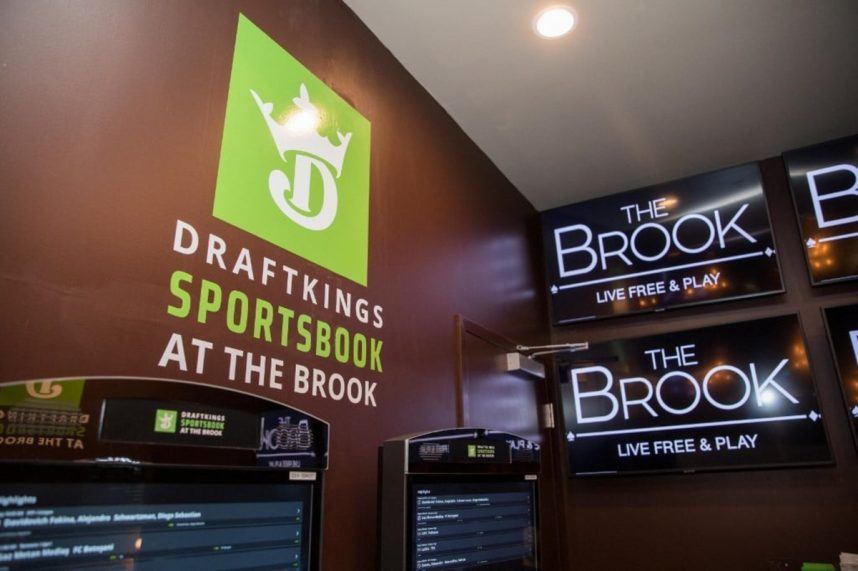
Image: The Brook Casino in Seabrook, NH

Understanding Senate Bill 168

Introduced by State Sen. Tim Lang (R-Belknap) and co-sponsored by Senators Daniel Innis (R-Grafton), Howard Pearl (R-Merrimack), and Keith Murphy (R-Hillsborough), SB 168 proposes to legalize online casino slot machines and interactive table games for individuals aged 18 and older residing within New Hampshire. The bill mandates that the New Hampshire Lottery solicit bids for at least three online gaming platform licenses, with a total cap of six licenses available.

Key Provisions of SB 168

  • Brick-and-Mortar Partnerships: A crucial aspect of SB 168 is the requirement for online iGaming operators to partner with licensed brick-and-mortar charitable casinos. These partner casinos must operate slot-like historical horse racing (HHR) machines and/or live dealer table games. This ensures a connection to existing gaming infrastructure and supports local charities.
  • Tax Revenue Allocation: Online casino revenue will be subject to a 45% state tax. Of this, 50% will be allocated to the state’s general fund, providing a significant boost to state coffers. The remaining 50% will be divided between funds supporting the elderly, disabled, blind, and deaf, and another dedicated to special education initiatives.
  • Age Restriction: The bill maintains the existing legal gambling age of 18 for online casino participation. This is in contrast to the seven other US states with operational iGaming markets – Connecticut, Delaware, Michigan, New Jersey, Pennsylvania, Rhode Island, and West Virginia – which have an age restriction of 21.

Get 250% BONUS up to $5500 + 250 FREE SPINS

The Path to Legalization: A Legislative Landscape

SB 168 has been referred to the Senate Ways and Means Committee for further review. New Hampshire joins a growing number of states actively considering iGaming legislation in 2025, including Maryland, Indiana, Wyoming, New York, Massachusetts, and Hawaii. However, not all states are moving forward; lawmakers in Virginia recently abandoned their iGaming bill for the year.

DraftKings in New Hampshire: A Monopoly and Potential Expansion

DraftKings currently holds a monopoly on online sports wagering in New Hampshire, a result of a 2019 sports betting bill where DraftKings agreed to share revenue with the state in exchange for exclusive rights. The company also operates retail sportsbooks at four charitable gaming facilities across the state: The Brook in Seabrook, Revo Casino Manchester, Revo Casino Dover, and Gate City Casino in Nashua.

While DraftKings has not publicly commented on SB 168, it’s plausible they might be interested in expanding their presence to include iGaming operations in New Hampshire. However, the bill’s stipulation requiring partnerships with brick-and-mortar casinos could present challenges for a company seeking to maintain a dominant market position. The potential end of its sports betting monopoly is a key consideration.

Financial Connections: In 2023, DraftKings contributed $1K to Vote Tim Lang, Lang’s political action committee. More recently, Lang received contributions from Churchill Downs ($1K) and NH Gaming Holdings, LLC, a joint venture between Peninsula Pacific Entertainment and Manchester real estate developer Dick Anagnost. Last October, NH Gaming gave $3K to Lang, $1K to Pearl, and $750 to Innis.

Impact on the State’s Gaming Industry

The legalization of online casino gambling in New Hampshire has the potential to significantly reshape the state’s gaming industry. It would create new opportunities for existing brick-and-mortar casinos, particularly those operating charitable gaming facilities, and generate substantial tax revenue that can be directed towards important public services. It also positions New Hampshire as a leader in the evolving iGaming market.

A Counter Proposal: Raising the Gambling Age

While SB 168 aims to expand access to online casino gambling, another piece of legislation is being considered that could restrict participation. New Hampshire Rep. Sally Fellows (D-Grafton) has introduced House Bill 83, which seeks to raise the legal gambling age from 18 to 21. This bill is currently under review in the House Ways and Means Committee, creating a potential debate over the appropriate age for engaging in gambling activities.

Conclusion

SB 168 represents a pivotal moment for New Hampshire’s gaming landscape. If enacted, it promises to generate significant tax revenue while fostering partnerships between online and brick-and-mortar casinos. However, the debate surrounding the legal gambling age adds another layer of complexity to this evolving legislative process. The outcome of these discussions will have lasting consequences for the state’s economy and its approach to responsible gambling.

Conclusion

SB 168 is poised to transform New Hampshire’s gaming industry, offering new revenue streams through a 45% tax on online casino revenue. This revenue will be allocated to the state’s general fund, as well as dedicated funds for the elderly, disabled, blind, and deaf, and special education. The bill’s requirement for partnerships with existing brick-and-mortar casinos ensures a structured rollout while supporting charitable gaming initiatives. While concerns remain regarding the potential impact on the gambling age, SB 168 represents a significant step towards modernizing New Hampshire’s approach to online gaming.

Featured Image Keyword: Online casino gaming New Hampshire

Uploaded via WPAPI

How Gonzalo Garcia-Pelayo Exploited Roulette Wheel Bias: The Legend of the Roulette-Beating System

Uncovering Roulette Wheel Bias: The Legend of Gonzalo Garcia-Pelayo and His Winning System

The allure of beating the house has captivated gamblers for generations, driven by the hope of finding a mathematical edge in a game of pure chance. One of the most legendary stories in gambling history involves Gonzalo Garcia-Pelayo, a Spanish filmmaker who claimed to have mastered the art of detecting roulette wheel bias to secure massive winnings. By identifying minute mechanical imperfections, he believed he could predict where the ball would land, turning a game of luck into a predictable system. While his exploits were initially celebrated, modern casino experts view his success with significant skepticism. This article delves into the mechanics of Garcia-Pelayo’s alleged system, explores the historical reality of roulette wheel bias, and examines whether such exploitative techniques can still be employed in today’s highly regulated casinos.

Gonzalo Garcia-Pelayo: The Man Behind the Myth

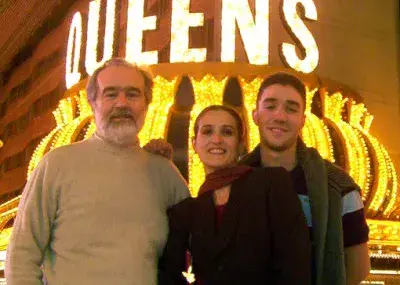
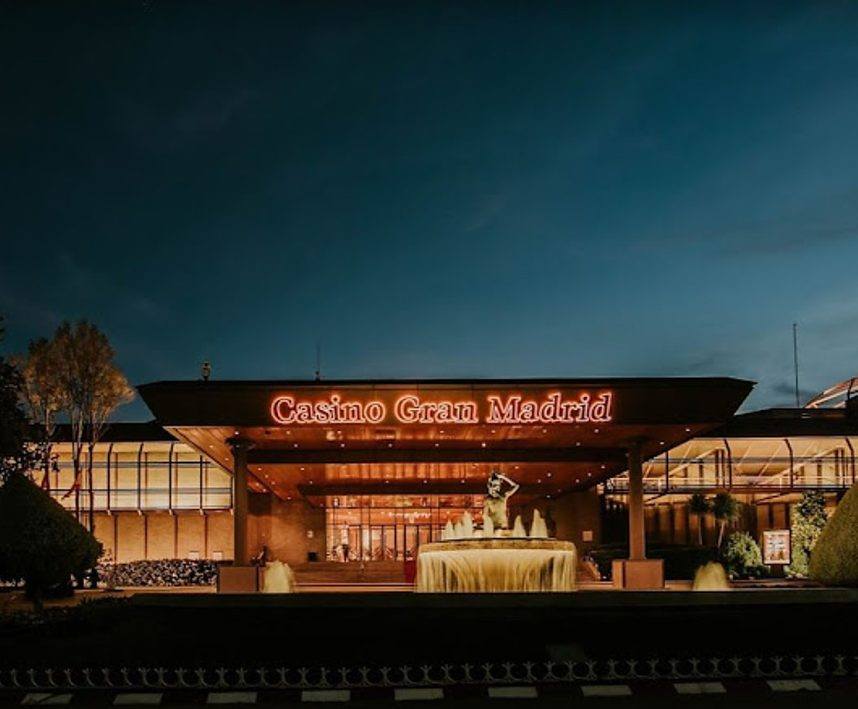
Garcia-Pelayo’s story gained prominence through his 2003 book, “The Fabulous Story of the Pelayos,” which was later adapted into an episode of the History Channel’s “Breaking Vegas” in 2005. According to Garcia-Pelayo’s account, he designed a computer program to analyze roulette wheel spins and identify subtle biases – imperceptible imperfections that cause certain numbers to appear more frequently than statistically expected. He gathered data from roulette wheels at Casino Gran Madrid, meticulously recording tens of thousands of spins with his family’s help.

Uncovering the Bias: A Technological Approach

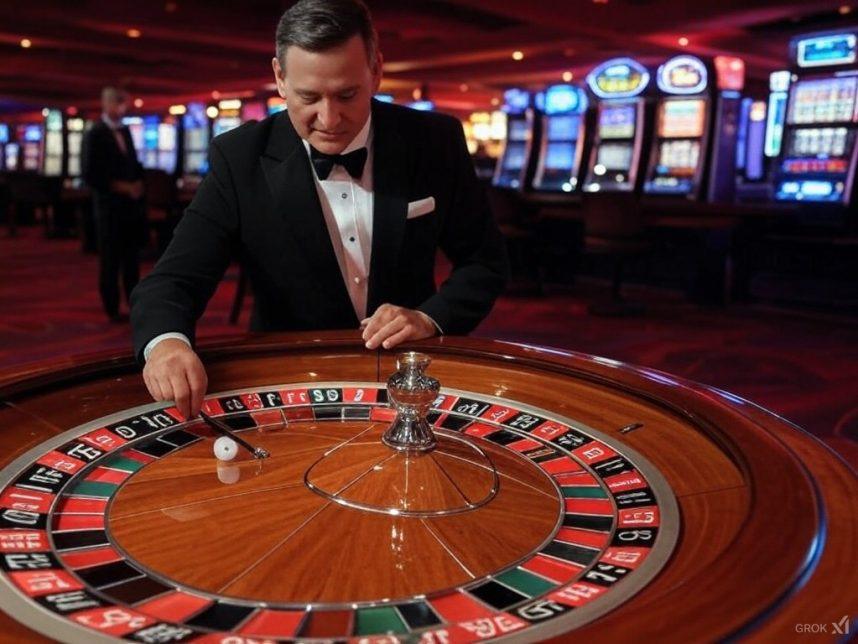
European roulette wheels have 37 numbered slots (0-36), each theoretically offering a 1-in-37 chance of landing. However, Garcia-Pelayo’s program revealed that some wheels exhibited patterns – specific numbers appearing with lower frequency than random chance would dictate. While these patterns are virtually undetectable to the human eye during real-time play, his computer program could identify them after analyzing vast amounts of data.

Armed with this knowledge, Garcia-Pelayo and his family strategically placed bets on numbers favored by the biased wheels. Their success was remarkable: they reportedly won 600,000 euros in a single day at Casino Gran Madrid in 1992. Following this victory, the casino banned him, but he continued his alleged winnings with over 1 million euros earned in Las Vegas between 1991 and 1995, targeting venues like the MGM Grand.

Expert Opinion: Myth vs. Reality

However, casino gambling experts like Anthony Curtis, who publishes the Las Vegas Advisor, dispute Garcia-Pelayo’s claim of inventing a novel method. Curtis points out that the existence of wheel bias has been known for over a century. In 1965, Allan Wilson’s “Casino Gambler’s Guide” documented a casino mechanic named Joseph Jagger who employed similar techniques in 1873 to beat roulette tables in Monte Carlo. Jagger’s approach involved meticulously ‘clocking’ wheels – observing thousands of spins to identify patterns of bias.

Further details on wheel bias and the strategies used by those seeking to exploit it can be found in Russell T. Barnhart’s 1992 book, “Beating the Wheel.”

Legal Battles and Aftermath

Garcia-Pelayo faced legal repercussions following his winnings at Casino Gran Madrid. The casino sued him for the lost money, but the case was ultimately dismissed after a judge ruled that no cheating occurred; Garcia-Pelayo had merely utilized ingenuity and computer techniques. However, the casino appealed, and it wasn’t until 10 years later that Spain’s Supreme Court upheld the lower court’s ruling.

Can the System Still Work Today?

Technically, yes, but practically, it’s extremely difficult. In response to Garcia-Pelayo’s exploits, major casinos worldwide implemented automatic bias correction systems for their roulette wheels. These systems utilize computer analysis of spin randomness to detect and rectify any deviations from expected probabilities. As soon as a wheel exhibits signs of bias, it is quickly replaced.

Furthermore, advancements in roulette wheel manufacturing have reduced the incidence of manufacturing biases. Modern casinos commonly use Starburst roulette wheels, which incorporate metal frets that wear at a slower rate than traditional wooden ones, minimizing the potential for bias to develop over time.

Conclusion

The story of Gonzalo Garcia-Pelayo remains a compelling tale in the world of gambling. While his claims of inventing a novel method to beat roulette are disputed by experts who point to the long-known phenomenon of wheel bias, his efforts undeniably brought this issue into the spotlight and prompted significant changes in casino practices. Today, casinos employ sophisticated systems to detect and correct wheel bias, and advancements in wheel design have further mitigated the potential for exploitation. Although the dream of consistently beating roulette remains elusive, Garcia-Pelayo’s story serves as a reminder of the ongoing battle between chance and strategy in the pursuit of winning.

Featured Image Keyword: Roulette wheel with subtle imperfections

Categories: Blog

Keywords: roulette, casino, gambling, betting, probability, system, bias, wheel, 10BET

Link: 10BET

Get 250% BONUS up to $5500 + 250 FREE SPINS