
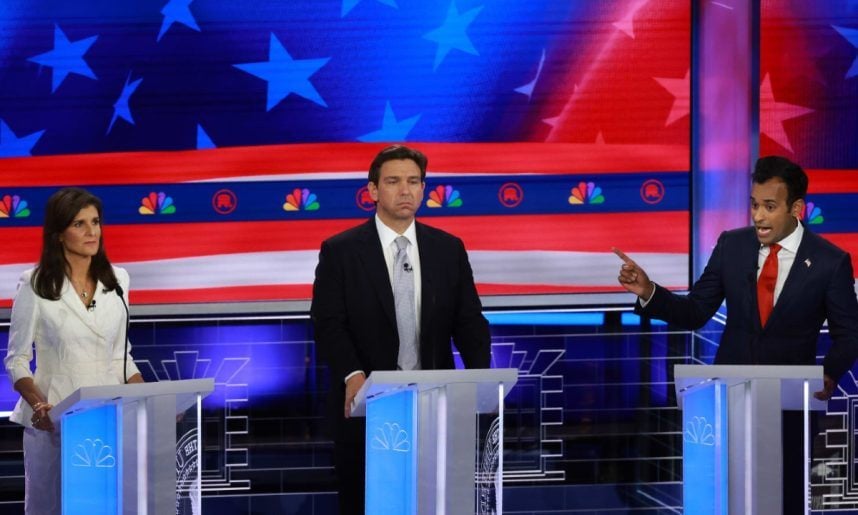
How DeSantis’s Plan to Limit Ballot Initiatives Could Impact Casino Licenses in Miami?
How DeSantis’ Plan to Limit Ballot Initiatives Could Jeopardize Future Casino Licenses in Miami
The burgeoning hope for a new casino resort in the vibrant Miami area faces a significant hurdle, as the legal landscape for obtaining essential casino licenses becomes increasingly uncertain. This uncertainty stems from Florida Governor Ron DeSantis’s recent push to restrict citizen-led ballot initiatives, a move that could fundamentally alter how Floridians propose constitutional amendments. Such regulatory shifts could create complex roadblocks for developers seeking the necessary casino licenses, potentially impacting the future growth and expansion of the gaming industry in South Florida.
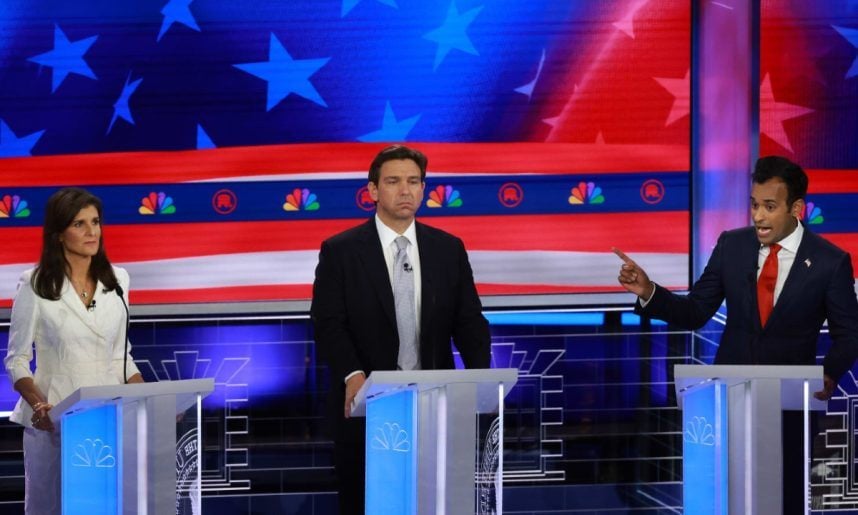

Table of Contents
A Swift Push for Change
Governor DeSantis has initiated a special legislative session, urging lawmakers to swiftly approve his proposal. The draft legislation, as reported by CNN, aims to change the way petition drives translate into ballot referendums. Currently, Florida law allows for a ballot question if 900,000 signatures are collected in support of an initiative. However, DeSantis’s plan would mandate that each Floridian individually request a form from their local elections office to express support, effectively making it harder to gather the necessary signatures.
Impact on the Gaming Industry

This change is particularly relevant to the gaming industry, as exemplified by the 2018 Amendment 3 drive. This initiative successfully removed the power to award new casino licenses from state lawmakers, a significant victory for the industry’s expansion in Florida. The potential restriction of ballot initiatives could stifle future efforts to bring casinos to the state.
Potential Fallout with President Trump
DeSantis’s actions may also create friction with President Donald Trump, a resident of Florida. The Trump Organization owns Trump National Doral, a golf resort in Miami, and had previously attempted to secure a gaming license in 2021. This endeavor was spearheaded by the president’s sons, Donald Jr. and Eric.
The desire to bring a casino to the Miami area is not exclusive to the Trump Organization. Fontainebleau Miami Beach owner Jeffrey Soffer has long expressed his interest in developing a casino at the iconic venue. Soffer has a history of supporting the Republican Party of Florida and various GOP officials within the state.
The push for casinos in Miami has faced opposition from local residents and prominent Republican donors like Ken Griffin, founder of Citadel. In a recent op-ed published in the Miami Herald, Griffin argued that Florida’s thriving economy, significantly boosted by the Miami region, could be negatively impacted by the addition of casinos.
DeSantis’s Rationale: Restoring Petition Integrity
Governor DeSantis maintains that his proposal is aimed at restoring integrity to the petition drive process. He has frequently stated that many signature collectors are paid staff for special interest groups, arguing that the Florida constitution should not be susceptible to the highest bidder.
Interestingly, the Seminole Tribe, which operates Hard Rock International – the dominant casino operator in Florida – may also welcome limitations on gaming-related ballot initiatives. In recent years, Florida lawmakers have introduced bills concerning the proximity of new gaming venues to existing Hard Rock casinos. This is a key factor driving interest in Miami as a potential location for a new casino, as it poses no geographic threat to the tribe’s established properties.
Key Facts About Casino Gambling in Florida
- Florida currently has 18 casinos in operation, generating over $2 billion in tax revenue annually.
- The Seminole Tribe operates the largest casino in Florida, Hard Rock Hotel & Casino Tampa.
- Amendment 3 (2018) significantly altered the process for awarding casino licenses, shifting power away from lawmakers.
- The debate over casino expansion in Miami often involves concerns about economic impact and competition with existing gaming operations.
Conclusion
Governor DeSantis’s plan to limit ballot initiatives presents a potential setback for the casino industry’s ambitions in Florida, particularly in the Miami area. While DeSantis argues his proposal is to ensure petition integrity, it could have significant repercussions for future gaming expansion and potentially strain relationships with key political figures. The debate highlights the ongoing tension between citizen-led initiatives and government control over constitutional amendments, with far-reaching implications for the state’s political and economic landscape.

