
Prioritizing Responsible Gaming: Pennsylvania Gambling Hotline Demand and Self-Exclusion Rates Surge
Prioritizing Responsible Gaming: Pennsylvania Gambling Hotline Activity and Self-Exclusion Rates Surge
- The Council on Compulsive Gambling of Pennsylvania reports strong intake calls in 2024
- Self-exclusion continues to gain traction among problem gamblers
- Pennsylvania is one of the leading commercial gaming states

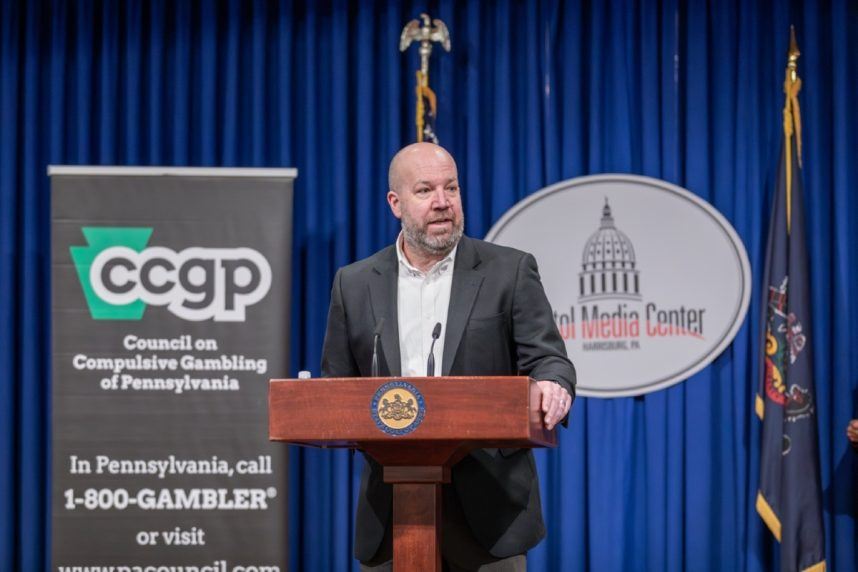
The Council on Compulsive Gambling of Pennsylvania reports strong intake calls in 2024. The Council on Compulsive Gambling of Pennsylvania (CCGP) published its 2024 Annual Report, highlighting that outreach to the nonprofit organisation remains strong as part of a broader commitment to promoting responsible gaming. Through these ongoing efforts, the CCGP continues to provide essential resources and education to ensure that players maintain a healthy and sustainable relationship with gambling.
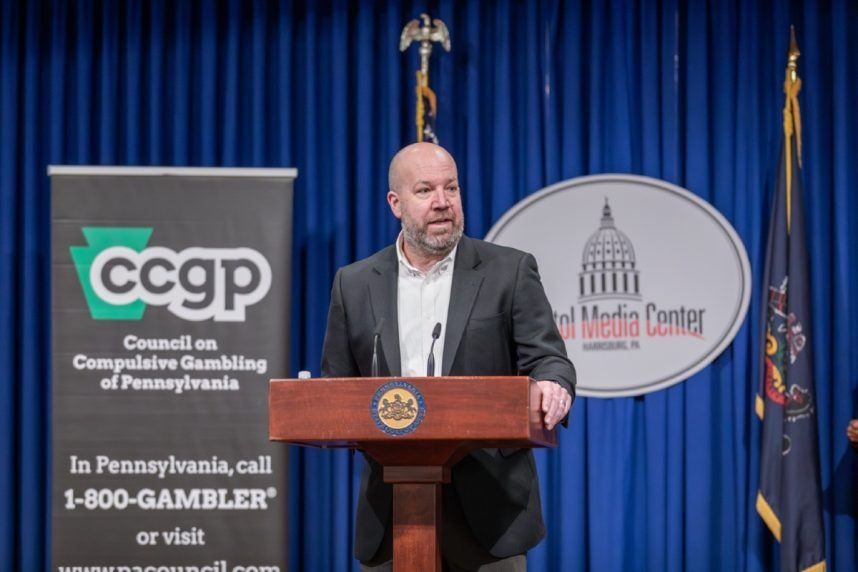
The CCGP is an affiliate of the National Council on Problem Gambling, dedicated to assisting individuals in Pennsylvania struggling with gambling issues. The organisation offers a free, confidential helpline that connects callers with local and virtual support resources, including trained professionals.
The 1-800-GAMBLER helpline in Pennsylvania provides both voice and text assistance. In the year 2024, the hotline received a total of 26,751 calls. A significant portion of these calls was unrelated to requests for help; 24% were simply hang-ups, 17% intended to reach a different number, and 18% sought information on casinos and the lottery.
Approximately 8% of the calls were intake calls concerning problem gambling, translating to 2,168 individuals reaching out for support. 2024 represented the fourth consecutive year where the hotline exceeded 2,000 intake calls.
However, there was a decrease in calls compared to 2023, where 2,693 intake calls were recorded. Despite this drop, the annual total remains more than double the volume recorded in 2019, coinciding with the initiation of online sports betting and the launch of online casinos.
Gamblers lost nearly $6.4 billion in Pennsylvania last year via casinos, iGaming, sports betting, Video Gaming Terminals (VGTs), and fantasy sports.
Call Data Breakdown
March, noted as Problem Gambling Awareness Month, saw the highest volume of calls with 234 intake calls, representing approximately 11% of total intakes for 2024.
Men made up 71% of the total intake calls, with the 25-34 age bracket being the most common at 23%. The 35-44 age range followed close behind at 20%. The racial demographics revealed that 64% of the callers identified as White, while 14% identified as Black.
Among those seeking help, 71% attributed their gambling habits to financial difficulties, 34% highlighted family issues, while 27% reported mental health struggles. Only 7% cited work-related problems as a reason for their gambling issues.
Surge in iGaming Self-Exclusions
The Pennsylvania Gaming Control Board has introduced four self-exclusion options: casino, iGaming, Video Gaming Terminals (VGTs), and fantasy sports. Data from the state gaming agency indicates that enrollments surged in 2024.
A total of 7,491 individuals opted for self-exclusion last year, marking a 37% increase from the 5,459 individuals who self-excluded in 2023. In 2022, the number was 4,242. As of August 2025, 4,618 people have already opted out, bringing the cumulative total to 34,000 since the program’s inception in 2006.
Experts in responsible gaming advise that the most effective strategy for tackling gambling issues is to remove gambling privileges. The Pennsylvania Gaming Control Board (PGCB) offers varying lengths for self-exclusion: one year, five years, or a lifetime.
Of the self-exclusions last year, iGaming constituted the largest segment with 3,545 enrollments, accounting for 70% of the individuals opting for this route. Additionally, those opting out of iGaming also lose access to online sports betting.
Meanwhile, the number of individuals opting for casino self-exclusion was 3,043, with 71% being men who decided to cut off access to any of the state’s 17 physical casinos. Self-exclusions for VGTs reached 400, while 503 opted out from fantasy sports.
In summary, the ongoing increase in calls to the CCGP’s helpline and the rising trend of self-exclusions among problem gamblers in Pennsylvania indicate a growing awareness and willingness to seek support. This proactive approach may help reduce gambling-related harms and encourage responsible gaming practices across the state.
Frequently Asked Questions
What is the Pennsylvania Gambling Hotline?
It’s a resource providing support for individuals struggling with gambling issues.
How many calls does the hotline receive?
The hotline received 26,751 calls in 2024.
What is self-exclusion in gambling?
Self-exclusion allows individuals to voluntarily ban themselves from gambling activities.
Related guide: Play Now

