
How Gonzalo Garcia-Pelayo Exploited Roulette Wheel Bias: The Legend of the Roulette-Beating System
Uncovering Roulette Wheel Bias: The Legend of Gonzalo Garcia-Pelayo and His Winning System
The allure of beating the house has captivated gamblers for generations, driven by the hope of finding a mathematical edge in a game of pure chance. One of the most legendary stories in gambling history involves Gonzalo Garcia-Pelayo, a Spanish filmmaker who claimed to have mastered the art of detecting roulette wheel bias to secure massive winnings. By identifying minute mechanical imperfections, he believed he could predict where the ball would land, turning a game of luck into a predictable system. While his exploits were initially celebrated, modern casino experts view his success with significant skepticism. This article delves into the mechanics of Garcia-Pelayo’s alleged system, explores the historical reality of roulette wheel bias, and examines whether such exploitative techniques can still be employed in today’s highly regulated casinos.
Gonzalo Garcia-Pelayo: The Man Behind the Myth
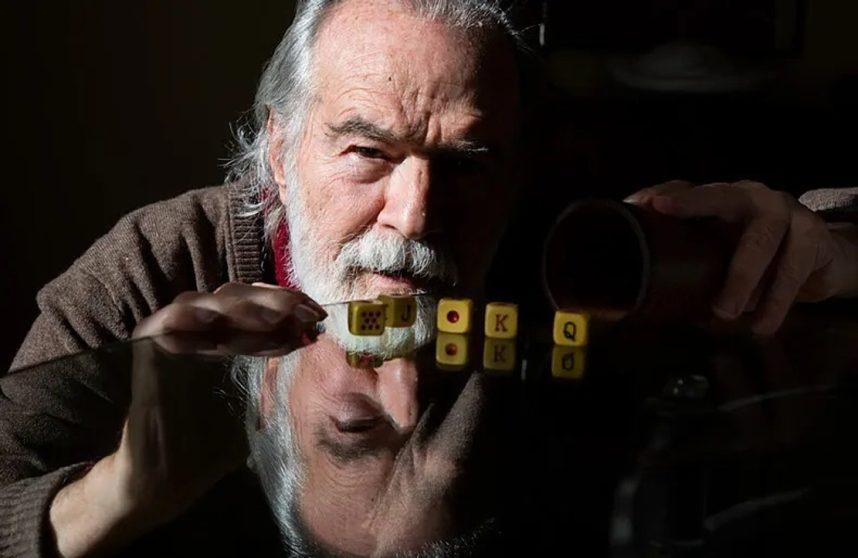
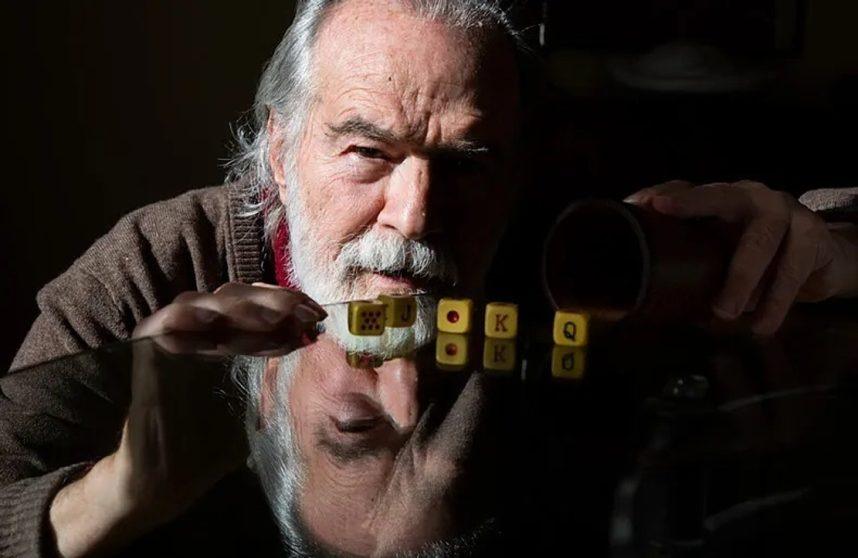
Garcia-Pelayo’s story gained prominence through his 2003 book, “The Fabulous Story of the Pelayos,” which was later adapted into an episode of the History Channel’s “Breaking Vegas” in 2005. According to Garcia-Pelayo’s account, he designed a computer program to analyze roulette wheel spins and identify subtle biases – imperceptible imperfections that cause certain numbers to appear more frequently than statistically expected. He gathered data from roulette wheels at Casino Gran Madrid, meticulously recording tens of thousands of spins with his family’s help.
Uncovering the Bias: A Technological Approach
European roulette wheels have 37 numbered slots (0-36), each theoretically offering a 1-in-37 chance of landing. However, Garcia-Pelayo’s program revealed that some wheels exhibited patterns – specific numbers appearing with lower frequency than random chance would dictate. While these patterns are virtually undetectable to the human eye during real-time play, his computer program could identify them after analyzing vast amounts of data.
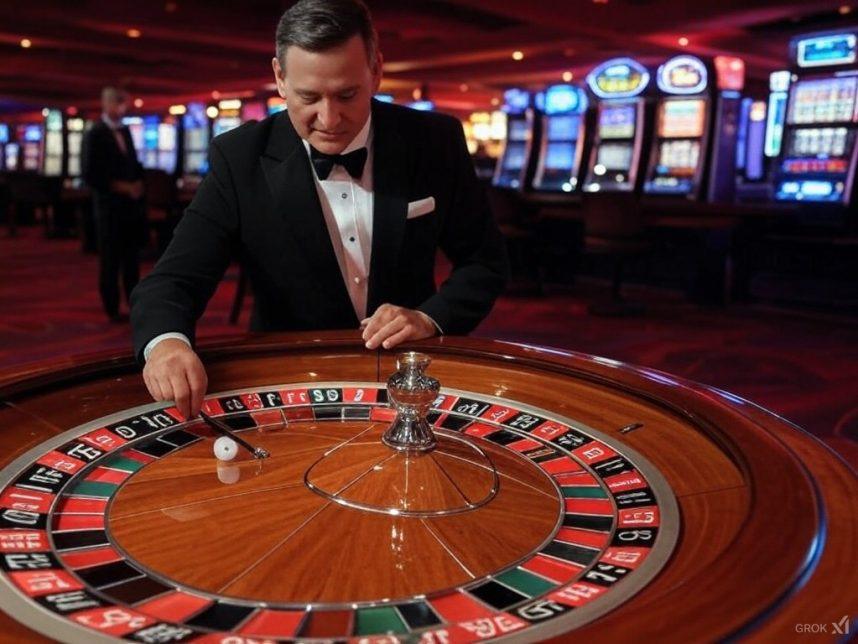
Armed with this knowledge, Garcia-Pelayo and his family strategically placed bets on numbers favored by the biased wheels. Their success was remarkable: they reportedly won 600,000 euros in a single day at Casino Gran Madrid in 1992. Following this victory, the casino banned him, but he continued his alleged winnings with over 1 million euros earned in Las Vegas between 1991 and 1995, targeting venues like the MGM Grand.
Expert Opinion: Myth vs. Reality
However, casino gambling experts like Anthony Curtis, who publishes the Las Vegas Advisor, dispute Garcia-Pelayo’s claim of inventing a novel method. Curtis points out that the existence of wheel bias has been known for over a century. In 1965, Allan Wilson’s “Casino Gambler’s Guide” documented a casino mechanic named Joseph Jagger who employed similar techniques in 1873 to beat roulette tables in Monte Carlo. Jagger’s approach involved meticulously ‘clocking’ wheels – observing thousands of spins to identify patterns of bias.

Further details on wheel bias and the strategies used by those seeking to exploit it can be found in Russell T. Barnhart’s 1992 book, “Beating the Wheel.”
Legal Battles and Aftermath
Garcia-Pelayo faced legal repercussions following his winnings at Casino Gran Madrid. The casino sued him for the lost money, but the case was ultimately dismissed after a judge ruled that no cheating occurred; Garcia-Pelayo had merely utilized ingenuity and computer techniques. However, the casino appealed, and it wasn’t until 10 years later that Spain’s Supreme Court upheld the lower court’s ruling.

Can the System Still Work Today?
Technically, yes, but practically, it’s extremely difficult. In response to Garcia-Pelayo’s exploits, major casinos worldwide implemented automatic bias correction systems for their roulette wheels. These systems utilize computer analysis of spin randomness to detect and rectify any deviations from expected probabilities. As soon as a wheel exhibits signs of bias, it is quickly replaced.
Furthermore, advancements in roulette wheel manufacturing have reduced the incidence of manufacturing biases. Modern casinos commonly use Starburst roulette wheels, which incorporate metal frets that wear at a slower rate than traditional wooden ones, minimizing the potential for bias to develop over time.

Conclusion
The story of Gonzalo Garcia-Pelayo remains a compelling tale in the world of gambling. While his claims of inventing a novel method to beat roulette are disputed by experts who point to the long-known phenomenon of wheel bias, his efforts undeniably brought this issue into the spotlight and prompted significant changes in casino practices. Today, casinos employ sophisticated systems to detect and correct wheel bias, and advancements in wheel design have further mitigated the potential for exploitation. Although the dream of consistently beating roulette remains elusive, Garcia-Pelayo’s story serves as a reminder of the ongoing battle between chance and strategy in the pursuit of winning.
Featured Image Keyword: Roulette wheel with subtle imperfections
Categories: Blog
Keywords: roulette, casino, gambling, betting, probability, system, bias, wheel, 10BET
Link: 10BET


