
Uploaded via WPAPI

Playstudios sweepstakes casino – Playstudios Nears National Launch of Sweepstakes Casino

Playstudios Nears National Launch of Sweepstakes Casino

Playstudios is close to launching its sweepstakes casino across the United States. Key Highlights: Discover everything you need to know about the rising popularity of the sweepstakes casino industry, where we break down the top features, bonus structures, and gameplay mechanics that define the modern sweepstakes casino experience.

Get 250% BONUS up to $5500 + 250 FREE SPINS

  • Playstudios is close to launching its sweepstakes casino across the United States.
  • The company has reported encouraging results from testing its new platform.

Playstudios, a prominent player in the social casino market, is on the verge of a significant milestone with its forthcoming national rollout of a sweepstakes casino platform. Expected to go live by the end of 2025, this platform is currently in its testing phase, producing promising early indicators of success.

Playstudios gaming experience
Scenes from a Playstudios social casino game. The company is close to launching its sweepstakes casino across the US. (Image: Wall Street Journal)

In conjunction with the announcement of its quarterly earnings, CEO Andrew Pascal revealed that the rise of social casinos utilizing sweepstakes methodologies is a dominant trend within the industry. “After nine months of formalising this evolution, we are currently in open beta in seven states, with positive trends regarding player retention and monetisation,” Pascal stated.

He emphasised that the shift towards these models significantly alters player behaviour, particularly as consumers move away from traditional social casinos.

This trend poses challenges for established social casino offerings, prompting Playstudios to implement a reinvention program last year designed to adapt to shifting market dynamics.

Sweepstakes Casinos Attracting Attention

Get 250% BONUS up to $5500 + 250 FREE SPINS

Sweepstakes casinos have emerged as a controversial yet popular form of wagering, attracting scrutiny from regulatory bodies. According to a recent survey by the American Gaming Association (AGA), a striking 90% of respondents consider sweepstakes casinos part of the gambling landscape. Furthermore, over two-thirds acknowledge using these platforms primarily to win real money.

However, lawmakers have raised significant questions regarding the integrity of these free-to-play models. Concerns about how such ventures compete against traditional brick-and-mortar establishments and influence public trust in gaming practices have prompted regulatory discussions.

Nonetheless, Playstudios has vowed to navigate these challenges prudently, ensuring their offerings adhere to strict regulatory standards as they expand their operations.

Pascal detailed that, through a measured approach to scaling, he intends to enhance player experiences across eligible states, matching high standards and optimising returns on investments.

PlayStudios at a Glance

In its latest financial report, Playstudios revealed a robust performance in direct-to-consumer sales, which hit $6.7 million in Q2, reflecting a growth of 107% from the previous year.

Despite this growth, executives shared insights into challenges, forecasting potential misses regarding their EBITDA and sales guidance for the fiscal year, as cost-saving measures have proven insufficient against underlying weaknesses.

Renowned for popular games like myVegas Slots and myVegas Blackjack, Playstudios boasts a loyalty programme named playAwards. This initiative allows players to earn points redeemable for experiences at premier MGM properties, such as Aria, Bellagio, and Mandalay Bay on the famous Las Vegas Strip.

Conclusion

Playstudios is making significant strides toward launching its sweepstakes casino, demonstrating resilience in a rapidly evolving gaming landscape. As they prepare for a broader rollout, the industry’s dynamics and player preferences remain critical factors influencing their strategy and operational direction.

With their emphasis on engagement and player loyalty, they are poised to set new benchmarks in the social gaming sector.

Frequently Asked Questions

What is a sweepstakes casino?

A sweepstakes casino offers players the chance to win real money using a unique gaming model regulated as a lottery.

When will Playstudios launch its casino?

Playstudios plans to launch its sweepstakes casino platform by the end of 2025.

What sets Playstudios apart?

Playstudios focuses on player engagement and loyalty, enhancing user experiences with their offerings.

Related guide: Play Now

Uploaded via WPAPI

Illinois sports betting regulations – Illinois Tightens Sports Betting Ads and Enacts College Ban | 10BET

Illinois Tightens Sports Betting Advertising Rules and Enacts New College Ban

Illinois has significantly adjusted its gaming advertising regulations. Key Updates in the World of Sports Betting:

  • Illinois has significantly adjusted its gaming advertising regulations.
  • Advertising for gaming businesses is now prohibited on college campuses.
  • All marketing materials must include responsible gaming messaging.

Get 250% BONUS up to $5500 + 250 FREE SPINS


Legal gaming operators in Illinois have recently seen a reduction in their advertising freedoms. This change is part of broader regulatory updates instituted by the Illinois Gaming Board (IGB) aimed at enhancing the protection of public interests.

Responsible gaming messaging
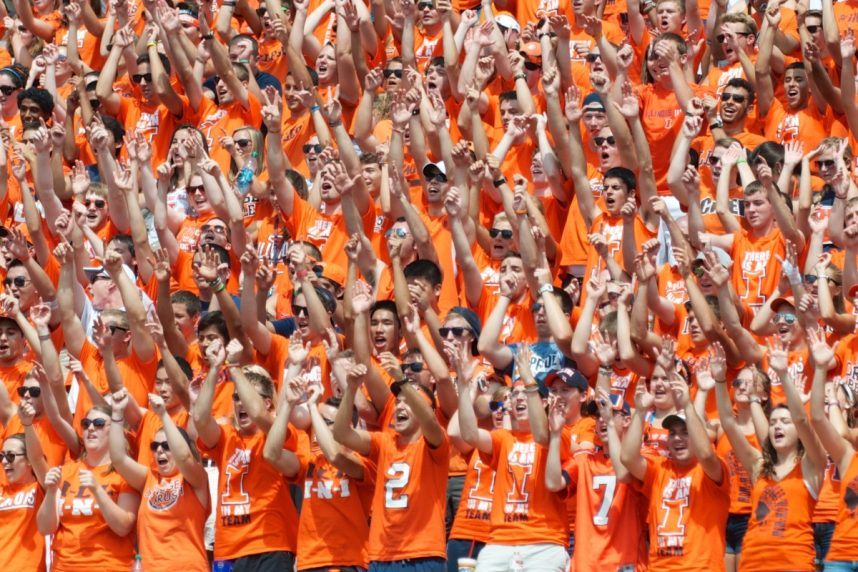
The Fighting Illini student section during a University of Illinois home game. The state now prohibits all gambling advertising on college campuses, significantly impacting Illinois sports betting platforms.

On Monday, the IGB announced its latest move to tighten restrictions on how the state’s gambling entities—casinos, sports betting platforms, and video gaming operations—can promote their services. The revised regulations include a complete ban on all forms of gambling advertising within college campuses and at facilities primarily used for university events.

“By adopting these measures, the IGB is building upon existing regulations to implement additional safeguards and standards that further protect the public and encourage responsible gambling habits,” said IGB Administrator Marcus Fruchter. “These regulations provide for clear, consistent, ethical, and transparent advertising and marketing guidelines for all casino, video gaming, and sports wagering operations under IGB jurisdiction.”

The new advertising regulations took effect on August 1 after being approved in May by the Illinois General Assembly’s Joint Committee on Administrative Rules (JCAR) and subsequently made public in the Illinois Register Issue 31.

Get 250% BONUS up to $5500 + 250 FREE SPINS

As online gaming and sports betting continue to gain traction across the United States, there has been a push from state lawmakers, regulators, and advocacy groups for stricter advertising guidelines to protect consumers. Most notably, the SAFE Bet Act currently before Congress would restrict all forms of sports betting advertising during live programming and during specific hours.

College Ad Ban

According to the IGB, casinos and sportsbooks are now prohibited from advertising on any college campuses. This includes not advertising in university media outlets, such as:

  • College newspapers
  • Radio and television broadcasts
  • Sports venues primarily used for college events

Moreover, gaming operators must refrain from featuring college students, universities, and college settings in their marketing materials. They are also required to allow customers an easy way to unsubscribe from marketing communications and are advised against hiring third parties for advertising or marketing purposes.

This latest update follows an earlier amendment from September 2024, when the IGB instructed gaming firms to stop using controversial phrases like “risk-free” and “free bet” in their marketing strategies.

Responsible Gaming Messaging

A new requirement under the IGB’s advertising protocols is that all marketing efforts—whether on television, print, or online—must include messaging around responsible gaming. The Illinois Department of Human Services will provide various messages that casinos and sportsbooks must use in their advertising, ensuring that responsible gambling strategies are front and center in their communications.

In conclusion, these shifts in advertising regulations reflect a growing trend towards promoting responsible gambling and protecting vulnerable populations, particularly students. As the landscape of gaming in Illinois continues to evolve, these efforts aim to ensure that all stakeholders engage in ethical and responsible marketing practices.

Frequently Asked Questions

What are the new advertising rules in Illinois?

The new rules prohibit all forms of gambling advertising on college campuses in Illinois.

What is responsible gaming messaging?

All betting advertisements must now feature responsible gaming messaging to promote safe gambling habits.

When did these regulations take effect?

The new regulations took effect on August 1 after approval by the Illinois General Assembly.

Related guide: Play Now

Bally’s Bronx casino proposal – NYC Democrats Refuse to Override Mayor’s Support for Bally’s Bronx Casino Licensing | 10BET

NYC Democrats Won’t Override Mayor’s Support for Bally’s Bronx Amidst Casino Licensing Debates

The New York City Council is reportedly not expected to override Mayor Eric Adams’ veto. The New York City Council is reportedly not expected to override Mayor Eric Adams’ veto, a decision that paves the way for the Bally’s Bronx proposal to move forward toward the rigorous stages of casino licensing. This political momentum ensures that the project can transition from local legislative hurdles to the formal regulatory processes required to secure the necessary legal permissions to operate.

Get 250% BONUS up to $5500 + 250 FREE SPINS

  • Overview of the Situation:
  • The Democratic-controlled NYC Council is unlikely to call for a vote to counter Mayor Adams’ veto.
  • Mayor Adams is advocating for a $4 billion casino development at Ferry Point Park.

Recently, Mayor Adams vetoed a 29-9 City Council decision against rezoning a part of the city-owned Ferry Point Park for commercial development. Bally’s Corporation has operated the municipal golf course at Ferry Point since acquiring it from The Trump Organization.

This proposal has seen Republican NYC Councilor Kristy Marmorato, representing the Bronx, emerge as a notable opponent to the idea of a Las Vegas-style casino on public land. Adams, on the other hand, asserts that the Bronx deserves equal opportunities for economic prospects compared to other boroughs with commercial proposals.

Implications of the Veto

The City Council could potentially override Adams’ veto if it manages to secure a two-thirds majority, which translates to 34 votes. However, sources have indicated that the Democrats, who hold 45 of the 51 seats, are unlikely to pursue such an override.

The challenge lies in garnering sufficient votes, particularly as many council members are currently on vacation. There are significant opinions for and against the Bally’s Bronx plan spanning both political affiliations.

Notably, if Bally’s Bronx is granted one of the three casino licenses aimed at Downstate New York, it would result in a significant financial arrangement, with the Trump Organization set to gain $115 million as part of the sale agreement.

Get 250% BONUS up to $5500 + 250 FREE SPINS

Critique of the Mayor

Mayor Adams is facing challenges in his bid for a second term, now running as an Independent amidst various controversies, including a previous federal indictment for allegedly accepting bribes. Current predictions suggest that he may exit the Gracie Mansion by January 1, 2026.

The proposed revival of the Bally’s Bronx bid, despite an earlier rejection from the City Council, raises eyebrows regarding the mayor’s intentions, with speculations suggesting he aims to regain favour with the Trump administration for potential future appointments.

Additionally, there are claims that Adams may be compensating two long-term advisors, Vito Pitta and Frank Carone, who are involved in the Bally’s NYC bid.

Council Speaker’s Response

While NYC Council leadership remains tight-lipped regarding plans to challenge the mayor’s veto, Council Speaker Adrienne Adams issued a statement criticizing the mayor’s strategy.

“If the mayor wants to do the casino applicant’s work for them and carry their water with all his conflicts of interest, that’s his decision,” a spokesperson remarked in response to the mayor’s actions.

Bally’s Bronx is among eight contenders vying for three available casino licenses, which also include proposals from renowned entities such as Caesars, Hard Rock, and Mohegan. The New York Gaming Facility Location Board is anticipated to announce the successful applicants by December 1, after each project’s Community Advisory Committee casts its vote.

Conclusion

As the debate surrounding the Bally’s Bronx casino continues, it is clear that various stakeholders, including council members and community representatives, have divided opinions on the project’s viability and future impact on the Bronx. The situation remains fluid, and developments will be closely monitored as the licensing decisions approach.

Frequently Asked Questions

What is the status of the Bally’s Bronx casino proposal?

The proposal is moving forward as the NYC Council is unlikely to override the mayor’s veto.

What are Mayor Adams’ plans regarding the casino?

Mayor Adams supports the Bally’s Bronx project, advocating for its significant economic opportunities.

How many casino licenses are available in Downstate New York?

Three casino licenses are available for proposals in Downstate New York, including Bally’s Bronx.

Related guide: Play Now

Uploaded via WPAPI

Casino bomb threat – Strengthening Casino Security: New York Man Arrested for Bomb Threat at Finger Lakes Gaming Facility

Strengthening Casino Security: New York Man Arrested After Threatening Finger Lakes Gaming Facility

The recent bomb threat at Finger Lakes Gaming underscores the critical importance of robust casino security protocols. The recent bomb threat at Finger Lakes Gaming underscores the critical importance of robust casino security protocols. After an unruly guest was asked to leave, the individual threatened to bomb the New York property, forcing an immediate emergency response. While such incidents are rare, bomb threats against casinos occasionally occur, highlighting why sophisticated casino security remains a top priority for protecting guests and maintaining order.

Get 250% BONUS up to $5500 + 250 FREE SPINS


A New York man has been arrested and charged with making a terroristic threat after law enforcement alleged he told staff at the Finger Lakes Gaming & Racetrack in Farmington that he would return with bombs and blow the place up.

Finger Lakes Gaming incident
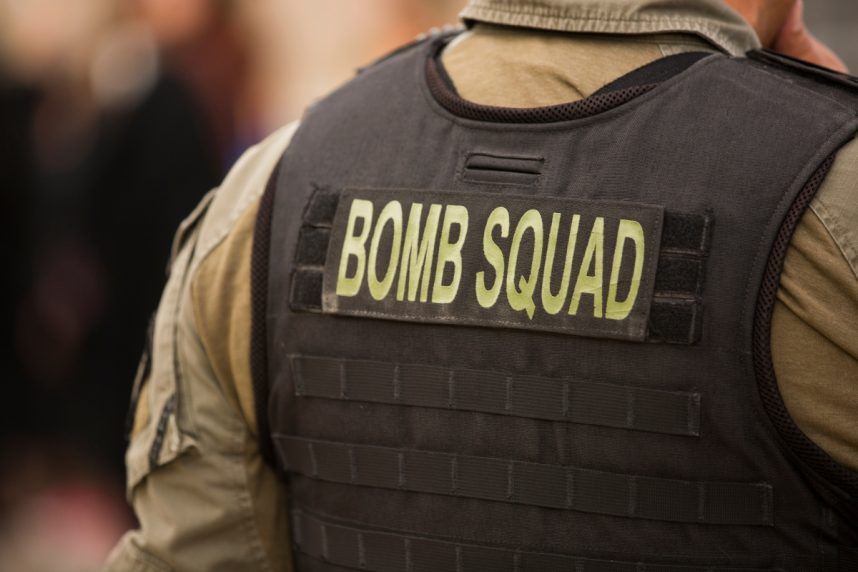
A law enforcement officer specialized in explosives attends a scene in a September 2019 file photograph. A New York man has been arrested and charged with making a terroristic threat against the Finger Lakes Gaming & Racetrack property in upstate New York. (Image: Shutterstock)

The Ontario County Sheriff’s Office alleges that Jose Luis Torres-Berrios, 34, of Farmington, became unruly and got in a verbal altercation with staff after he was asked to leave the casino’s bar.

Casino workers told local police that Torres-Berrios said he would go home and create “multiple explosive devices,” which he would return with to bomb the video gaming establishment.

Finger Lakes Gaming boasts over 44K square feet of gaming space equipped with 1,175 slot-like video gaming machines (VGMs). The VGMs are operated by the New York State Gaming Commission’s central system.

In June alone, Finger Lakes Gaming players bet almost $136 million on the machines, with terminals holding over $10 million, averaging around $284 per machine daily.

Suspect Remains in County Jail

Local media reported that Torres-Berrios was located by police while still within the gaming facility. He was arrested and charged with a felony count of making a terroristic threat.

Torres-Berrios remains in Ontario County Jail, awaiting arraignment. A person found guilty of making a felony terroristic threat could face up to seven years in prison.

Get 250% BONUS up to $5500 + 250 FREE SPINS

Authorities searched Torres-Berrios’ home but didn’t find any explosive materials or bomb-making supplies. However, New York law states that it doesn’t matter if a person charged with making a terroristic threat had the genuine intent or capability of following through on the threat.

Casino Bomb Threats

Incidents involving bomb threats against casinos aren’t uncommon, particularly when financial losses are at stake and alcohol is flowing. For instance, in April, a similar incident occurred at a tribal casino in Oklahoma.

Law enforcement received a call about a bomb threat at the Choctaw Casino & Resort in Durant around 11 pm local time on April 12. Authorities investigated but found no bomb, escalating the matter to the FBI for further inquiry.

Just two days later, a 40-year-old man at the Agua Caliente Casino in California’s Cathedral City allegedly told casino security that he was planning to bomb the Coachella Valley Music and Arts Festival. Police arrested him shortly after, and he now awaits a bail hearing at $1 million. The case is ongoing.

Real Bomb Threats

The most notorious casino bomb incident occurred in August 1980 when a bomb containing 1,200 pounds of dynamite was reported at Harvey’s Resort Hotel in Stateline, Nevada.

John Birges Sr., later convicted of orchestrating the bombing, sought to extort money from the resort after losing $750,000 gambling there. His ransom note claimed the bomb couldn’t be disarmed. For a payment of $3 million, he would provide instructions on safely detaching the bomb to be detonated in the desert.

The FBI concluded that the bomb needed to be disarmed within the hotel. However, in a failed attempt to safely decommission the explosive, the bomb detonated during an evacuation, causing approximately $18 million (about $70 million today) in damages without resulting in injuries or casualties.

Birges received a life sentence without parole. He passed away in 1996 at the Southern Nevada Correctional Center. Two accomplices who assisted him with moving the bomb also served prison time.

What’s Next?

This incident emphasizes the need for enhanced security measures in gaming establishments worldwide. As casinos continue to be prominent entertainment venues, it’s crucial to address the serious implications surrounding security threats, ensuring the safety of patrons and staff alike.

In conclusion, visits to casino venues should continue without fear of personal safety. Nevertheless, maintaining vigilance and awareness is essential for both staff and visitors.

Frequently Asked Questions

What happened at Finger Lakes Gaming?

A man was arrested for making a bomb threat after threatening casino staff.

What security measures are critical in casinos?

Robust security protocols are essential to ensure safety in gaming establishments.

What are the legal consequences of a bomb threat?

A person can face severe charges, including felony charges for making a terroristic threat.

Related guide: Play Now

Uploaded via WPAPI

Las Vegas Casinos Myths Re-Busted: From Lost Kidneys to High Stakes Wins

Las Vegas Casinos Myths Re-Busted: Beyond the Wild Tales of Waking Up in a Hotel Bathtub

Welcome to our latest edition where we tackle a myth that’s gained traction over the years. EDITOR’S NOTE: Every Monday, we dive deep into the secrets and legends surrounding Las Vegas casinos with our “Vegas Myths Busted” series, along with a special bonus edition every Flashback Friday. Today’s installment, which explores the truth behind the bright lights and high stakes, originally ran on Aug. 5, 2024.

Get 250% BONUS up to $5500 + 250 FREE SPINS

Welcome to our latest edition where we tackle a myth that’s gained traction over the years. Since we started this myth-busting series two years and over 100 myths ago, this particular urban legend has been one of the most requested.

Depiction of Las Vegas
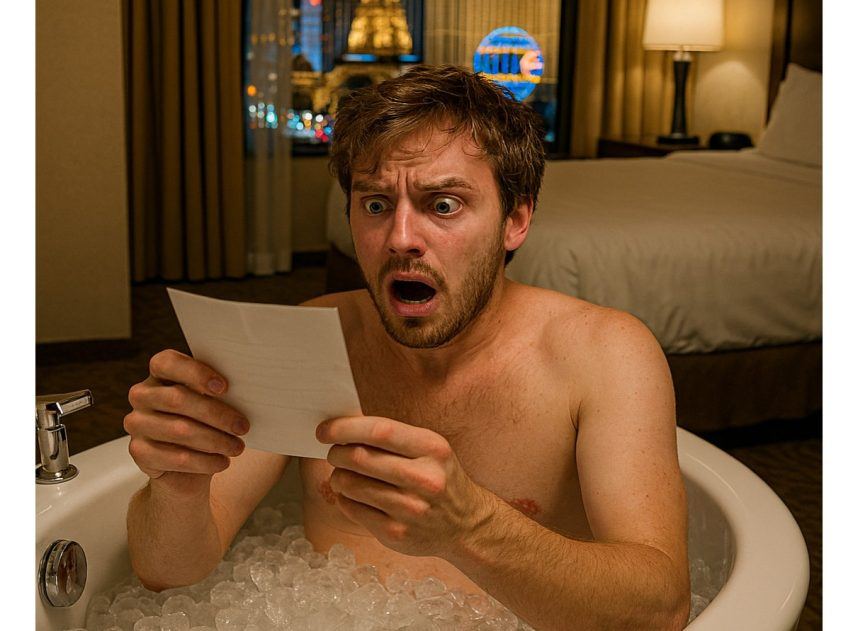
AI’s depiction of some people’s deepest Las Vegas fear. (Image: Microsoft CoPilot)

For years, it has been said that businessmen often wake up in ice-filled hotel bathtubs in Las Vegas, shocked to find a note stating: “Your kidney has been removed. Seek immediate medical attention.” This horror story, while chilling, has no basis in reality.

Renal 911!

Despite the occasional tales of tourists getting “trick-rolled” or robbed during a wild night, none have ever reported losing a vital organ. In fact, there are no documented cases of kidney harvesting in Las Vegas or anywhere else in the U.S.

According to Jan Brunvand’s book, “The Baby Train and Other Lusty Urban Legends,” this myth first gained traction in 1991 through online bulletin boards. Interestingly, this was the same year another infamous myth about Las Vegas began circulating.

Initially, the story involved a businessman in New York. However, it gained popularity when newspapers began discussing it, usually in attempts to debunk these tales. Unfortunately, readers often remember the myth more than its debunking, leading to its persistent existence.

As reported by journalist George Hesselberg, the myth cleverly intertwines fears of an unsafe New York with the growing need for transplant organs, making it a classic urban legend.

Anatomy of a Myth

The details around this myth became more elaborate over the years. By the mid-90s, it included specifics like the ice-filled tub and the ominous note. Initially, victims would merely wake up on the hotel floor without any warning.

Get 250% BONUS up to $5500 + 250 FREE SPINS

Interestingly, the shift from New York to Las Vegas seems logical, considering the city’s historical ties to organized crime and the lengths casinos go to prevent negative information from leaking to the public.

In a statement from Clark County Coroner Ron Flud, he noted that the department receives about a dozen inquiries annually related to this myth. In 1996, he remarked, “It’s a common myth that draws attention every so often.”
Yet, no real evidence ever came forward to substantiate these tales. Pop culture depictions haven’t helped either, with TV shows like “Law & Order” and episodes set in Las Vegas perpetuating the narrative.

By the early 2000s, the National Kidney Foundation began encouraging people to report any cases of kidney theft to help document incidents. To date, none have surfaced.

We Kidney You Not

Organ Donation Myth
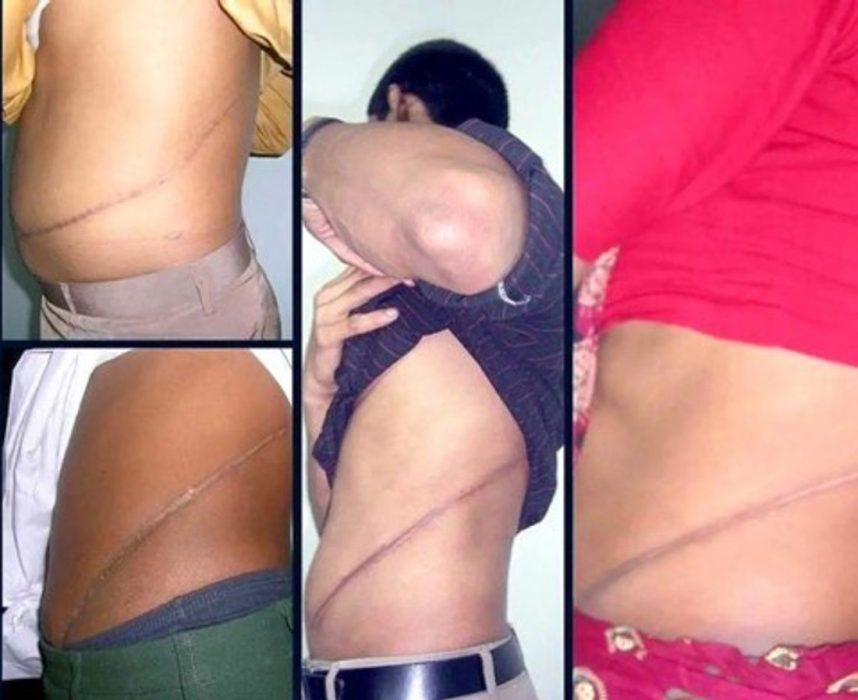
Victims of illegal kidney harvesting rings in India display scars they received after being coerced into surgery. (Images: Monir Moniruzzaman/Asia Times)

Although there are no such cases in the U.S., kidney trafficking reportedly happens elsewhere. A 2008 report elaborated on how a black market in India coerced labourers into donating kidneys under false pretenses. Over a decade, approximately 600 individuals were lured into underground clinics, with some receiving prison sentences for their roles in the operation.

In 2011, the first proven case of kidney trafficking in the U.S. involved Levy Izhak Rosenbaum, who was convicted of facilitating the purchase of kidneys from Israeli donors for over $120,000 each. He served two and a half years in prison. But again, no evidence links this to the myth of the Las Vegas bathtub.

Summary

Though the myth of waking up in a Las Vegas hotel bathtub missing a kidney holds terrifying appeal, it remains firmly in the realm of urban legends. With no credible evidence supporting these stories, they reflect more about societal fears than reality. It’s essential to sift through sensational tales and separate fact from fiction in the vibrant narrative that is Las Vegas.

Stay tuned for more “Vegas Myths Busted” editions every Monday on Casino.org. For more previously busted myths, visit VegasMythsBusted.com. If you have a myth you’d like us to investigate, we’d love to hear from you!

Frequently Asked Questions

Are there documented cases of kidney theft in Las Vegas?

No, there are no documented cases of kidney theft in Las Vegas or the U.S.

Where did the kidney theft myth originate?

The myth began in 1991 through online bulletin boards.

What is the purpose of the Vegas Myths Busted series?

The series aims to debunk urban legends surrounding Las Vegas casinos.

Related guide: Play Now
Uploaded via WPAPI

History of Las Vegas Casinos – Las Vegas Casinos: Uncovering the Secret History Behind the Strip | 10BET

Hidden Gems of Las Vegas Casinos: Secret Relics the Strip Won’t Let You See

What happens in Vegas stays in Vegas, and that often applies to the evolving landscape of the Strip. What happens in Vegas stays in Vegas, and that often applies to the evolving landscape of the Strip. For many Las Vegas casinos, it is frequently more cost-effective to wall off aging attractions that have fallen out of favor rather than undergoing the massive expense of complete demolition and reconstruction. This strategic approach to property management is especially common when the future plans for a specific gaming space remain undetermined.

Get 250% BONUS up to $5500 + 250 FREE SPINS

Currently, Spiegelworld’s DiscoShow at the Linq is taking place in a former sportsbook that was sealed off when the Imperial Palace closed its doors in 2012.

Here are three intriguing examples of relics from Vegas’s past that still exist and have been uncovered by adventurous trespassers who took the risk of arrest to validate their existence.

The Dragon, Excalibur

Lost Dragon of Excalibur
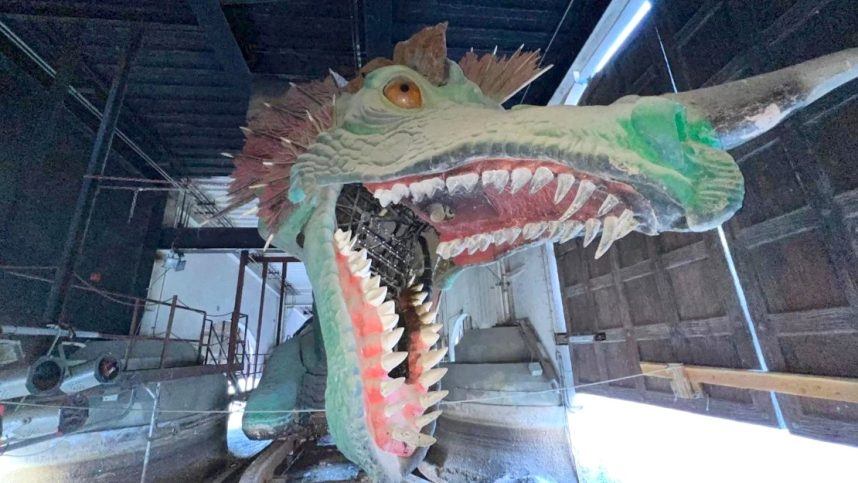
Murphy the dragon still resides in his lair in the old Excalibur moat. (Image: YouTube/Freddy Trap)

“Merlin v Dragon” was a prime example of Vegas at its most thematic. This animatronic show located in the moat outside the medieval-themed resort featured the legendary wizard, Merlin, battling a dragon that emerged from a cave in the moat. Built by AVG Productions, this rubber dragon, known as Murphy, measured a staggering 71 feet long, had glowing yellow eyes, and glided along tracks laid in the bottom of the moat. Named after Murphy’s Law, it had its fair share of mechanical failures.

Guests could watch from a drawbridge as Merlin hurled fireballs at the dragon, which retaliated until he ultimately triumphed. The free attraction would run multiple performances from 6 p.m. to midnight daily; however, it was dismantled in 2001 due to high maintenance costs and reliability issues. While the moat remained until a renovation in 2010, the dragon is still there, albeit off-limits to the public.

This was verified by YouTuber Freddy Trap, who documented his discovery of the dragon in 2023. It was noted later on a subreddit that a wall was erected to prevent further trespassers from witnessing this remarkable relic of Las Vegas history.

Maybe one day, Murphy will be restored and showcased, but for now, knowing he remains within the castle walls adds an air of mystery to the resort.

Hunter S. Thompson’s Hotel Room

Hunter S. Thompson's Hotel Room
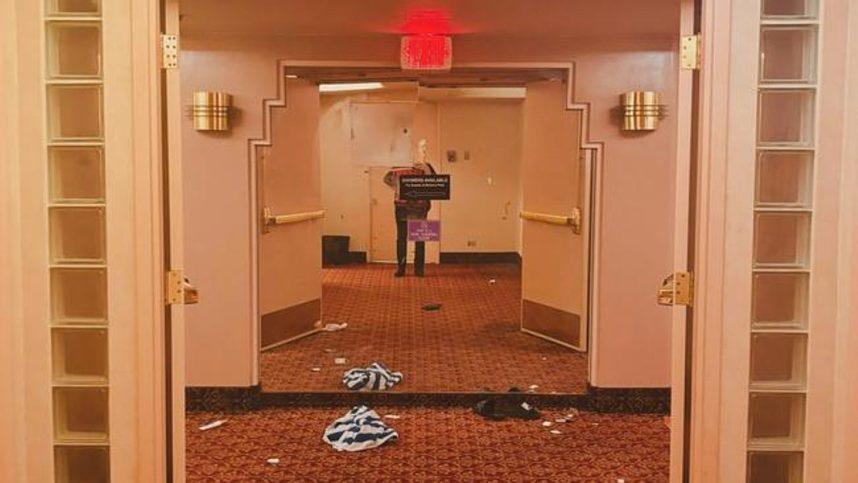
A journalist trespasses on the boarded-up room of Raoul Duke in The Mint’s tower earlier this year. (Image: escape.com)

A significant portion of the action in Hunter S. Thompson’s 1971 novel “Fear and Loathing in Las Vegas” occurred in Room 1850 of The Mint’s tower. According to Thompson, he and his companion, Oscar Acosta, accumulated an astronomical unpaid room-service bill while trashing the room over 48 hours.

In 1988, the Mint merged with the neighbouring Binion’s Gambling Hall, formerly known as Binion’s Horseshoe, which closed all of its hotel rooms in 2009. When Hotel Apache reopened 81 of those rooms a decade later, none were located in the Mint’s tower, which has remained closed ever since.

In an audacious move earlier this year, Australian reporter Elmo Keep managed to trespass into the locked tower. He took an elevator to the roof of the adjoining Hotel Apache and climbed down a fire escape to access the corridor leading to the tower.

“You’ll need to navigate through the corridors until you find the room, and there it will be, right before you: the site where one of the most groundbreaking pieces of journalism was conceived,” Keep noted.

However, he cautioned that the disheveled tower is “in severe disrepair,” littered with refuse, and inhabited by several individuals who have made it their home base. Furthermore, attempting this venture is definitely illegal.

Adult Theater, Circus Circus

Hippodrome Theater
The once bustling Hippodrome. (Image: Vintage Las Vegas)

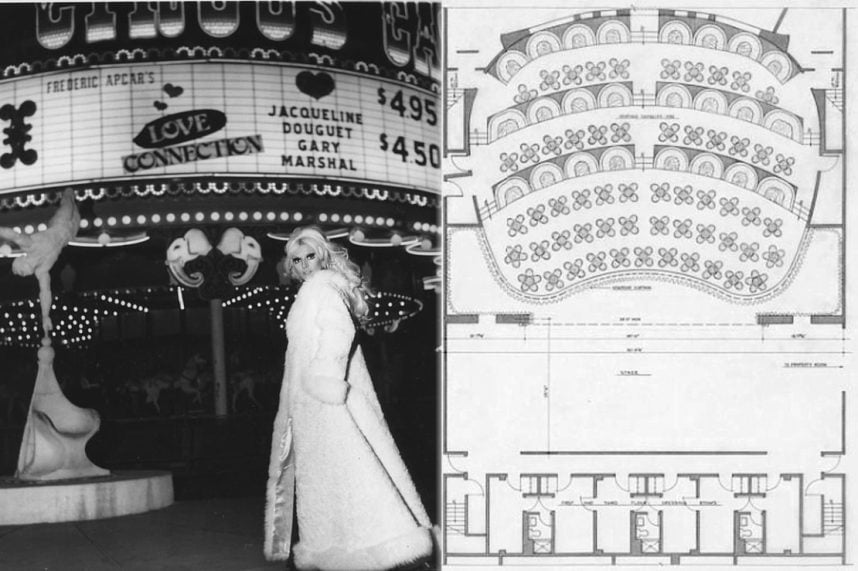
When it opened in 1968, Circus Circus featured an adult showroom known as the Hippodrome, which showcased the production “Nudes in the Night” that starred Babette Bardot.

In 1970, owner Jay Sarno launched a topless show named “Tom Jones”—not the singer, but based on the 1963 film of the same name.

Additional shows that graced the theater included “Naked But Nice,” “French Love Connection,” “Nudes Delight,” and “Hot Pants Sexplosion.” Notably, rather than being demolished, the theater was simply sealed off between 1973 and 1979. Dusty and neglected, it has remained untouched since, although employees can still access it via back corridors behind what is now a pizzeria on the casino level.

“We didn’t know about it,” admitted owner Phil Ruffin in a 2020 profile by the Nevada Independent. “We just discovered it.”

At the time, Las Vegas architectural firm Bergman Walls & Associates was in discussions about redesigning the theater for a prospective reopening. However, plans have since changed, with Ruffin expressing his desire to sell Circus Circus at a price requiring the buyer to demolish it and build a luxury resort in its place.

“Lost Vegas” is an ongoing Casino.org series that sheds light on the overlooked history of Las Vegas. Got a good Vegas story that’s faded into history? Get in touch!


Frequently Asked Questions

What hidden attractions exist in Las Vegas casinos?

Many casinos have aging attractions sealed off rather than demolished.

Who is Hunter S. Thompson?

He is a journalist known for his novel ‘Fear and Loathing in Las Vegas.’

What is the Hippodrome Theater?

It was an adult showroom at Circus Circus featuring various shows.

Related guide: Play Now
Uploaded via WPAPI

Las Vegas NBA Arena Lawsuit – From Courtroom Drama to Gaming Investment: Why the Failed Las Vegas NBA Arena RICO Suit Matters | 10BET

From Courtroom Drama to Gaming Investment: How Legal Shifts Impact the Las Vegas Market

A federal judge has dismissed a substantial $6.4 million RICO lawsuit against a proposed Las Vegas basketball arena. A federal judge has dismissed a substantial $6.4 million RICO lawsuit against a proposed Las Vegas basketball arena and luxury resort that never came to fruition, primarily because it failed to adhere to legal deadlines. The collapse of this ambitious project serves as a cautionary tale for those looking at the hospitality sector as a form of gaming investment, highlighting how legal hurdles can abruptly halt even the most promising ventures in the gambling industry.

All Net Arena Rendering
This is one of the renderings of the All Net Arena, showcased by real-estate developer Jackie Robinson to attract potential investors.

In December, Kent Limson and his firm, TACSIS APC, lodged a racketeering complaint against Jackie Robinson and All Net Land Development LLC, alleging that the developer misappropriated funds and loans under the pretense of a $5 billion NBA All Net Resort and Arena project that he had no genuine intention of actualizing.

The lawsuit asserts that Limson and TACSIS provided seven short-term loans to the All Net project between 2018 and 2019. Regrettably, four of these loans defaulted prior to the issuance of the subsequent loan. As a result, Limson held a mere 0.1% ownership stake in the venture, further compounded by claims that the surety bonds associated with these loans were either forged or fraudulent.

Judge’s Ruling and Legal Nuances

However, the RICO Act stipulates a four-year window for filing claims. US District Chief Judge Andrew Gordon determined that the plaintiffs had exceeded this timeframe, as they did not file their case in time after discovering the defendants’ alleged failure to refund their loans.

This verdict was influenced by an earlier lawsuit that the plaintiffs submitted to the Los Angeles Superior Court back in November 2020.

Despite recognizing that the plaintiffs claimed they only became aware of the fraudulent surety bonds during the discovery process of that previous case, Judge Gordon dismissed this assertion. He stated that it did not constitute a new injury that would extend the legal deadline. Not only that, but the loss of Limson’s ownership, which occurred when the Clark County Commission shut down the project in November 2023, was also determined to be an old injury rather than a new one.

Get 250% BONUS up to $5500 + 250 FREE SPINS

“While it appears improbable that additional information could address the statute of limitations issue, I am granting the plaintiffs permission to modify their complaint if they can present new facts that bolster a RICO claim within the statute of limitations,” he wrote.

If a new complaint isn’t filed by September 2, the case will close automatically.

Key Facts about the Case

  • Amount Involved: $6.4 million RICO lawsuit
  • Defendants: Jackie Robinson and All Net Land Development LLC
  • Legal Deadline: Four-year statute of limitations for RICO claims
  • Ownership Stake: Limson held 0.1% in the project
  • Closure Timeline: Circumstances leading to closure date of September 2 for the case
  • Implications: The ruling sets a precedent for similar future cases involving RICO claims.

Moving Forward

This ruling underscores the importance of adhering to legal timelines in complex financial dealings and investments. It serves as a warning to investors and developers alike, highlighting the need to keep thorough records and be aware of legal obligations to avoid pitfalls in the future. The legal landscape surrounding gambling and investment in Las Vegas is continuing to evolve, and those involved need to stay informed and prepared.

This case reflects the cutthroat nature of the Las Vegas real estate and entertainment market, where investments can mean the difference between millions in profit or complete loss. The hope now is that fresh developments could arise as the plaintiffs regroup and seek options for moving forward.

The impact of this legal situation resonates beyond the confines of courtrooms, as it shapes the future of investments in one of the world’s most iconic entertainment capitals.

If you’re interested in the evolving dynamics of gambling investment and related legal matters in Las Vegas, stay tuned. We’ll keep you updated on every development as they unfold.

Summary

In recent rulings, a prominent $6.4 million RICO lawsuit against a failed Las Vegas NBA arena developer was dismissed due to missed legal deadlines. The case illustrates the importance of timely legal filings in investment and development disputes. As the plaintiffs consider their options, the implications of this ruling could shape future gaming investment and legal landscapes in Las Vegas.

Frequently Asked Questions

What was the lawsuit about?

It was a RICO lawsuit against the All Net NBA Arena project over misappropriated loans.

Why was the RICO lawsuit dismissed?

It was dismissed due to missing legal deadlines for filing.

What are the implications of this ruling?

It sets a precedent for future RICO claims in investment disputes.

Related guide: Play Now

Uploaded via WPAPI

Casino Compliance Issues – Casino Compliance Under Fire: Hard Rock Sacks Pariente Following Dominican Controversies

Hard Rock Faces Scrutiny Over Casino Compliance Following Dominican Controversies

In a significant move that highlights the critical importance of casino compliance, Hard Rock International has dismissed Alex Pariente. In a significant move that highlights the critical importance of casino compliance, Hard Rock International has dismissed Alex Pariente from his role as corporate senior vice president of casino and hotel operations. His termination follows an internal investigation into serious accusations involving money structuring and unpaid markers at the Hard Rock Hotel & Casino Punta Cana, highlighting the severe consequences when regulatory protocols are breached. The inquiry into these alleged failures in casino compliance was triggered by a series of revealing articles from Casino.org that exposed the misconduct.

Alex Pariente Termination
Now former Hard Rock International executive Alex Pariente. The gaming company terminated him following an investigation into his role in money structuring and allowing markers to go unpaid at a Dominican casino. (Image: X)
  • Pariente relieved of duties at Hard Rock Punta Cana following internal probe into allegations of money structuring, unpaid markers
  • Another staffer allegedly acting at Pariente’s behest also fired
  • News emerges after a series of articles exposing Pariente’s purported misdeeds in the Dominican Republic and Las Vegas

Sources confirm that, Pariente had been an important figure at Hard Rock since February 2019. The investigation also led to the termination of his assistant, Silvia Mendez. Notably, a whistleblower shared recordings demonstrating that Mendez had participated in questionable money structuring operations intended to facilitate high-roller transactions.

In one of these recordings, she was heard explaining how to separate $100,000 in cash from a Chinese gambler into numerous transactions to bypass money transfer protocols. This action raised serious flags as proof of funds was required for compliance with anti-money laundering regulations, which the patron didn’t possess.

Hard Rock Took Swift Action

Get 250% BONUS up to $5500 + 250 FREE SPINS

The gaming giant acted quickly in the Pariente matter. Following a report from another whistleblower substantiating the violations of anti-money laundering and compliance rules by Pariente in the Dominican Republic, Hard Rock suspended him just days after this information surfaced.

Hard Rock International has completed its initial investigation in connection with recent public allegations regarding executives at Hard Rock Punta Cana Casino and can confirm it has separated with the executive in question. This thorough examination included independent parties from two of the nation’s most respected law firms specializing in gaming regulatory and compliance issues to ensure objective analysis of our operations, reflecting our brand’s commitment to upholding ethical standards in all our business practices.

Hard Rock’s management expressed that they take these matters seriously, although their statement did not mention Mendez or any other involved employees.

Hard Rock Punta Cana is linked to Palace Resorts, a company that holds several properties throughout the Caribbean, Europe, and Latin America. They pay an annual licensing fee to Hard Rock for using the brand name at the Dominican location.

What’s Next for Pariente

The future trajectory of Pariente in the gaming industry remains uncertain. Historically, the gaming sector has been forgiving towards executives with controversial backgrounds, and Pariente stands testament to this practice.

Notably, he had previously been implicated in anti-money laundering violations during his time at Wynn Las Vegas, which culminated in a record-breaking $130 million forfeiture to the federal government. Controversy has followed him, highlighted by his departure from Baha Mar Casino and Hotel in the Bahamas amid scandals pertaining to inappropriate conduct.

R.J. Cipriani, a prominent figure known as Robin Hood 702, iterated that Pariente’s dismissal should serve as a beacon to executives in the industry indulging in unethical practices.

“Let this be a warning to other corrupt executives and casinos globally: stop hiring individuals with questionable pasts who continue to find positions after being ousted for misconduct,” Cipriani stated.

In the interim, all responsibilities once handled by Pariente will be managed by Donald Codey, senior vice president of gaming and casino marketing for Hard Rock, until a permanent replacement is appointed.

Summary

Hard Rock International has taken decisive action against Alex Pariente following serious allegations of financial misconduct at its Punta Cana property. This case serves as a significant reminder of the scrutiny surrounding compliance in gaming operations. As the gaming sector navigates the evolving landscape, accountability among its executives remains paramount.

Frequently Asked Questions

What sparked the investigation at Hard Rock?

An internal probe was launched after allegations of financial misconduct emerged.

Who was dismissed from Hard Rock?

Alex Pariente was terminated following the investigation.

What were the allegations against Pariente?

He was involved in money structuring and allowing unpaid markers.

Related guide: Play Now

Uploaded via WPAPI

E-Sabong and Legal Issues – How E-Sabong Betting Disputes Impact the Industry: Philippine Gambling Tycoon Faces Murder Complaint Over 34 Missing Workers | 10BET

The Dark Side of E-Sabong Betting: Philippine Gambling Tycoon Faces Murder Complaint Over 34 Missing Workers

Families seek justice over e-sabong disappearances, naming gambling tycoon Charlie Ang. Key Highlights: Dive into the high-stakes world of digital cockfighting, where we break down the essential strategies and top platforms for e-sabong betting to help you maximize your winning potential.

Get 250% BONUS up to $5500 + 250 FREE SPINS

  • Families seek justice over e-sabong disappearances, naming Ang.
  • Ang denies the allegations, counter-filing against former employee.
  • The DOJ opens investigation under mounting testimonies.

Families of 34 missing cockfighting fans, known locally as “sabungeros,” have filed serious criminal complaints with the Philippine Department of Justice (DOJ). The accusations target gambling mogul Charlie “Atong” Ang, relating to charges such as murder and serious illegal detention. Ang, however, firmly denies any involvement.

Philippine Gambling Tycoon
Charlie “Atong” Ang, above, denies involvement in the sabungeros’ disappearance and is suing his accuser. (Image: rmn)

All missing individuals are suspected victims targeted for their implications in bout-fixing. They vanished across Metro Manila and surrounding regions between 2021 and 2022. Each was actively involved in e-sabong, the digital streaming platform for cockfighting intended for betting.

The complaints emerged after testimony from Julie “Dondon” Patidongan, one of six men arrested, all identified as former security personnel from a Manila cockfighting venue. Patidongan revealed troubling updates in a recent broadcast with GMA News, asserting that over 100 victims had been abducted, murdered, and their bodies deposited in Taal Lake, the nation’s third largest lake.

Patidongan implicated Ang as the mastermind and claims the victims were killed to set an example and to inhibit bout rigging—an act that significantly threatens the profitability of Ang’s e-sabong enterprises.

Get 250% BONUS up to $5500 + 250 FREE SPINS

Counter Allegations of Extortion

Ang operates the e-sabong enterprise, Lucky 8 Star Quest Inc. In a twist, he has launched a counter-complaint against Patidongan, citing accusations of coercion, slander, conspiracy to commit robbery, and unjustly implicating innocent persons.

Ang accuses Patidongan of an attempted $5 million extortion for withholding Ang’s name from the ongoing criminal investigations.

In the Philippines, legal avenues for prosecuting serious offenses, including murder and illegal detention, can be initiated through private complaints from families or victims. The DOJ’s investigation into Ang’s case requires a preliminary inquiry to determine the possibility of filing further charges.

Profile of Atong Ang

Ang is a polarising figure in the Philippine gambling sector. He established significant connections in the 1990s with then-President Joseph Estrada, who later faced impeachment for corruption and public fund embezzlement. During that period, Ang operated “jueteng,” a popular but unlawful numbers game and was enlisted as a consultant for PAGCOR, the state gambling authority. Many critics allege he leveraged this position to accrue power and monopolize illegal gaming.

In October 2000, Estrada was implicated in accepting ₱400 million (approximately $7 million) in bribes, with Ang asserted to have facilitated the collection of protection fees for Estrada. Ang himself faced corruption charges but fled the country, only to be apprehended in 2001 at the Paris Las Vegas casino. Following extradition, he served time in a Philippine prison.

This series of unfortunate allegations and claims surrounding Ang emphasizes the dark underbelly of the gambling sector in the region, drawing attention not just from the public but also from legal authorities. With each new revelation, the stakes continue to rise.

Summary

The case surrounding Charlie “Atong” Ang is one that highlights the perils of illegal gambling practices and the tragic outcomes that can manifest from a culture steeped in corruption. As families take action against absconding criminals, the attention on e-sabong and other similar activities is sure to intensify, prompting greater scrutiny from both law enforcement and the community. The outcome of these proceedings will be vital in restoring justice and addressing public concerns regarding the safety of all involved in gaming industries.

Frequently Asked Questions

What is e-sabong?

E-sabong is a digital platform for betting on cockfighting events.

What are the allegations against Charlie Ang?

He faces murder complaints tied to 34 missing individuals involved in e-sabong.

What is the status of the investigations?

The DOJ is investigating the disappearances of the sabungeros.

Related guide: Play Now
Uploaded via WPAPI

Las Vegas Medical Myths – Las Vegas Strip Health Myths Debunked: Lessons from University Medical Center of Southern Nevada | 10BET

Busting the Myths: From Healthcare to High Stakes on the Las Vegas Strip

Busting the Myths: From Healthcare to High Stakes on the Las Vegas Strip. The University Medical Center of Southern Nevada (UMC), known for being the go-to hospital for serious injuries on the Las Vegas Strip, has never made it onto the national rankings for the best hospitals according to the U.S. News & World Report. In fact, it has a rather mediocre reputation, receiving a score below average on Healthgrades, with only 57% of patients recommending it.

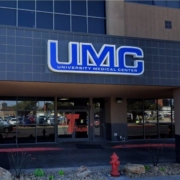
University Medical Center
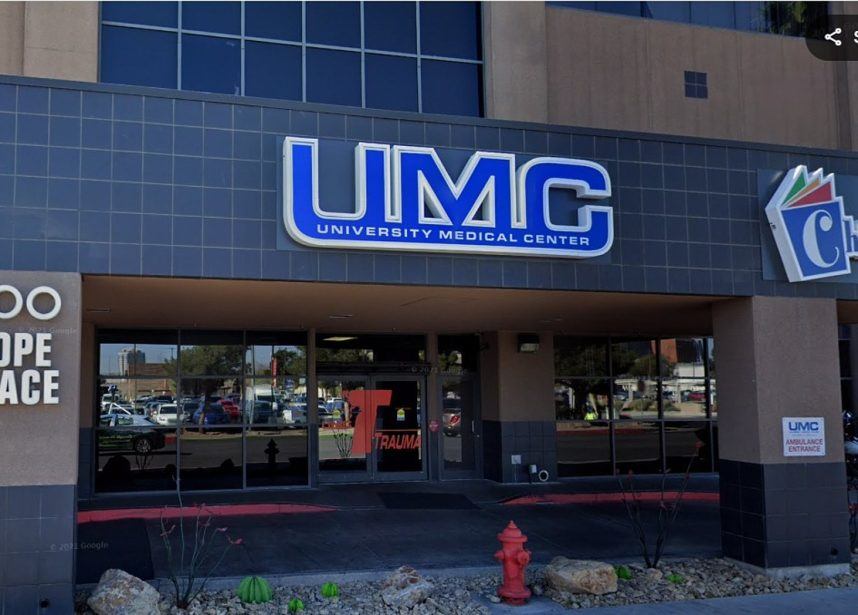
University Medical Center is a 541-bed hospital located at 1800 West Charleston Blvd. in Las Vegas.

Myth vs. Fact: The Ownership of UMC

One common misconception is that UMC is a university-run hospital. In reality, it is a county-operated hospital. Established as the primary teaching hospital for the Kirk Kerkorian School of Medicine at UNLV, it is still ultimately controlled by the Clark County Commission, which founded it. This commission doubles as the hospital’s board of trustees.

Interestingly, the affiliation with UNLV began only when the medical school opened its doors to students in 2017. Before that, UMC operated under its aspirational name for over three decades, without any genuine university association.

The History of UMC

UMC began its life as the Clark County Indigent Hospital in 1931. Initially a modest 20-bed facility, it was established to serve the city’s impoverished residents. The hospital’s founding coincided with the influx of workers during the Hoover Dam construction, leading to a significant increase in demand for medical services.

By 1940, the hospital underwent its first major expansion, leading to a name change to Clark County General. The original “indigent” label was seen as a barrier to attracting a more diverse patient base.

Get 250% BONUS up to $5500 + 250 FREE SPINS

Ongoing Challenges

As a public hospital funded by local taxes, UMC has consistently faced operational challenges, often lagging behind private hospitals in terms of resources and patient care quality.

  • Inadequate funding has led to long wait times and variable care quality.
  • Privately funded facilities such as the Rose de Lima Hospital emerged as competitors, prompting UMC to rebrand as Southern Nevada Memorial in 1950.
  • By the 1980s, the hospital was again facing criticism for declining standards and had to rebrand yet again, this time as UMC.

Emergency Services and Trauma Care

Despite its various challenges, UMC shines in specific areas—most notably in its emergency services. The hospital boasts:

  • It is the only Level 1 Trauma Center in Nevada.
  • Ongoing training for military physicians in battlefield medicine.
  • A dedicated pediatric trauma care unit.
  • Accredited burn treatment facilities.
  • Advanced surgical techniques, including robotics.

A Snapshot of Current Operations

Today, UMC continues to evolve, linking itself more closely with UNLV’s Kirk Kerkorian School of Medicine. Recent advancements include:

  • Introduction of new residencies and fellowships.
  • Emphasis on advanced surgical practices and trauma care.
  • Development of community programs to expand healthcare access.

While UMC may not live up to the prestige typically associated with university hospitals, it plays a vital role in the local healthcare landscape. It embodies a historical legacy while adapting to contemporary needs.

Conclusion

So, the next time you hear someone mention the University Medical Center in Las Vegas, remember: while the name suggests it’s affiliated with a university, it is instead a county-run facility with a long history of evolving medical services. UMC stands as a beacon for those in need, despite facing its own set of hurdles.

In conclusion, the reality of UMC may differ vastly from the myths surrounding it, yet it remains a crucial part of the Las Vegas healthcare system.

For more on healthcare options and community resources in Clark County, keep exploring!

Frequently Asked Questions

Is University Medical Center a university hospital?

No, UMC is a county-operated hospital, not university-run.

What is the trauma care capacity of UMC?

UMC is the only Level 1 Trauma Center in Nevada.

What challenges does UMC face?

UMC faces funding issues and competition from private hospitals.

Related guide: Play Now