
How Slot Machine Licensing Regulations Impact Legal Battles: The Gulfstream Park vs. Florida Lawsuit | 10BET
Key Points for navigating the complex regulatory landscape of the gaming industry often begin with understanding the rigorous requirements of slot machine licensing. Key Points for navigating the complex regulatory landscape of the gaming industry often begin with understanding the rigorous requirements of slot machine licensing. Securing these legal permissions is a foundational step for any operator looking to ensure compliance and operational legitimacy within the casino sector.

- Lawsuit challenges Florida’s Decoupling Act as unconstitutional
- Gulfstream claims unfair licensing rules for live racing
- Critics warn threat to Florida’s thoroughbred racing industry
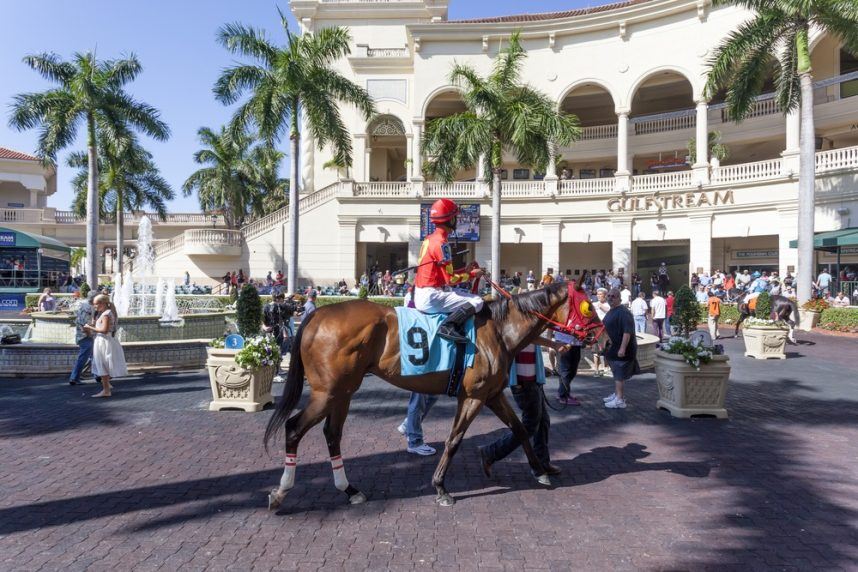
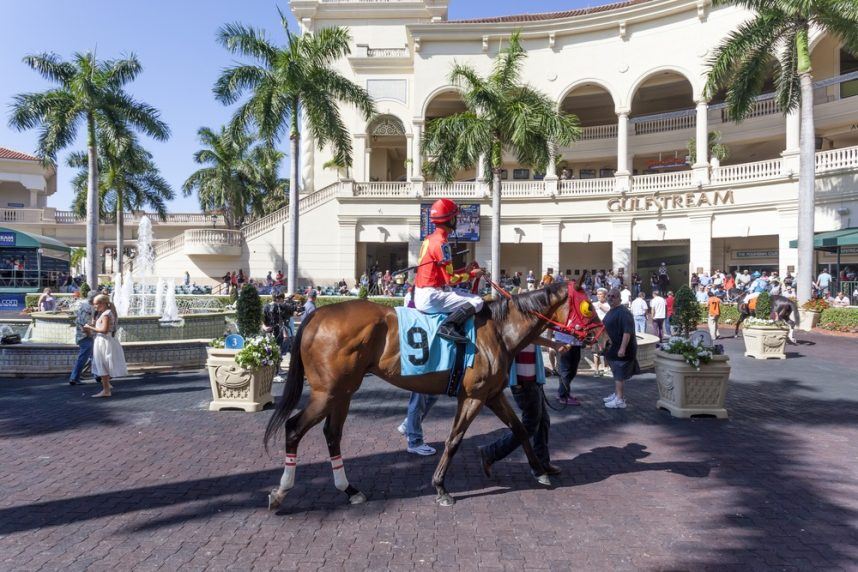
Gulfstream Park racetrack has taken a significant step by asking a judge to block the Florida Gaming Control Commission (FGCC) from mandating a full calendar of live racing as a prerequisite for its slot machine licensing. This lawsuit reflects Gulfstream’s contention that the Decoupling Act is unconstitutional and puts the future of thoroughbred racing in Florida at serious risk.
The foundation of the lawsuit, presented before the Florida Supreme Court, is the Decoupling Act which was sanctioned by the legislature in 2021. It asserts that the Act is unconstitutional as it infringes upon the racetrack’s equal protection rights. This legislation was influenced by the ban on greyhound racing, a constitutional amendment passed by voters in 2018, allowing parimutuel facilities to sever ties with their obligations to host live harness racing or jai alai, subsequently opening the doors to more lucrative gambling ventures.
Thoroughbred Carveout
A distinctive exemption exists for the thoroughbred racing industry, owing to the belief among lawmakers and stakeholders that it represents a vital component of Florida’s agricultural landscape and tourism. However, Gulfstream Park argues that this law gives competitors undue advantages.
The lawsuit seeks a declaration that the Act is unconstitutional and an injunction to hinder the FGCC from revoking the track’s license should it discontinue live racing.
“This is a matter of fair and equal treatment under the law, which the Decoupling Act clearly and intentionally violates,” stated Marie Long, General Counsel for 1/ST, the parent company of Gulfstream Park.
Marie further emphasized, “It’s not solely about racing — we are committed to a sustainable future for horse racing. The core of the issue lies within our capability to compete against private slot operators who are not bound by the same obligations we are, effectively allowing them special treatment at our expense.”
Implications for Florida’s Thoroughbred Industry
Experts warn that the potential outcomes of the decoupling could jeopardize Florida’s thoroughbred racing landscape, similar to what occurred with harness racing. Pompano Park, the state’s last standardbred track, ceased operations in 2022, a mere year following the legislation’s introduction.
Lonny Powell, CEO of the Florida Thoroughbred Breeders’ and Owners’ Association, expressed his concerns, branding the lawsuit “deeply troubling.”
“This lawsuit centers around Gulfstream Park’s desire to run a casino while sidestepping their racing obligations. The decoupling law was meant to safeguard Florida’s essential horse racing institutions. Overturning it would unleash a cascade of repercussions, undermining thoroughbred racing across the state, jeopardizing family-operated farms and rural employment, and threatening a multi-billion dollar agricultural economy,” he remarked.
Backed by legislation this year, Gulfstream Park and Tampa Bay Downs, the only other operational thoroughbred track in Florida, had advocated for the ability to separate racing from their other gambling operations, yet the proposal was unfortunately rejected by the legislature.
Conclusion
The ongoing lawsuit by Gulfstream Park raises vital questions regarding the future of racing in Florida. With the stakes this high, thoroughbred enthusiasts, racetrack operators, and communities reliant on this industry are anxiously watching the developments, hoping for a resolution that protects the rich tradition of horse racing in the Sunshine State.
As this legal battle unfolds, it serves as a reminder of the intricate relationship between regulatory frameworks and the racing industry’s future in Florida.
Key Points:
- Lawsuit challenges Florida’s Decoupling Act as unconstitutional
- Gulfstream claims unfair licensing rules for live racing
- Critics warn threat to Florida’s thoroughbred racing industry
Gulfstream Park racetrack has taken a significant step by asking a judge to block the Florida Gaming Control Commission (FGCC) from mandating a full calendar of live racing as a prerequisite for its slot machine licensing. This lawsuit reflects Gulfstream’s contention that the Decoupling Act is unconstitutional and puts the future of thoroughbred racing in Florida at serious risk.
The foundation of the lawsuit, presented before the Florida Supreme Court, is the Decoupling Act which was sanctioned by the legislature in 2021. It asserts that the Act is unconstitutional as it infringes upon the racetrack’s equal protection rights. This legislation was influenced by the ban on greyhound racing, a constitutional amendment passed by voters in 2018, allowing parimutuel facilities to sever ties with their obligations to host live harness racing or jai alai, subsequently opening the doors to more lucrative gambling ventures.
Thoroughbred Carveout
A distinctive exemption exists for the thoroughbred racing industry, owing to the belief among lawmakers and stakeholders that it represents a vital component of Florida’s agricultural landscape and tourism. However, Gulfstream Park argues that this law gives competitors undue advantages.
The lawsuit seeks a declaration that the Act is unconstitutional and an injunction to hinder the FGCC from revoking the track’s license should it discontinue live racing.
“This is a matter of fair and equal treatment under the law, which the Decoupling Act clearly and intentionally violates,” stated Marie Long, General Counsel for 1/ST, the parent company of Gulfstream Park.
Marie further emphasized, “It’s not solely about racing — we are committed to a sustainable future for horse racing. The core of the issue lies within our capability to compete against private slot operators who are not bound by the same obligations we are, effectively allowing them special treatment at our expense.”
Implications for Florida’s Thoroughbred Industry
Experts warn that the potential outcomes of the decoupling could jeopardize Florida’s thoroughbred racing landscape, similar to what occurred with harness racing. Pompano Park, the state’s last standardbred track, ceased operations in 2022, a mere year following the legislation’s introduction.
Lonny Powell, CEO of the Florida Thoroughbred Breeders’ and Owners’ Association, expressed his concerns, branding the lawsuit “deeply troubling.”
“This lawsuit centers around Gulfstream Park’s desire to run a casino while sidestepping their racing obligations. The decoupling law was meant to safeguard Florida’s essential horse racing institutions. Overturning it would unleash a cascade of repercussions, undermining thoroughbred racing across the state, jeopardizing family-operated farms and rural employment, and threatening a multi-billion dollar agricultural economy,” he remarked.
Backed by legislation this year, Gulfstream Park and Tampa Bay Downs, the only other operational thoroughbred track in Florida, had advocated for the ability to separate racing from their other gambling operations, yet the proposal was unfortunately rejected by the legislature.
Conclusion
The ongoing lawsuit by Gulfstream Park raises vital questions regarding the future of racing in Florida. With the stakes this high, thoroughbred enthusiasts, racetrack operators, and communities reliant on this industry are anxiously watching the developments, hoping for a resolution that protects the rich tradition of horse racing in the Sunshine State.
As this legal battle unfolds, it serves as a reminder of the intricate relationship between regulatory frameworks and the racing industry’s future in Florida.
Frequently Asked Questions
What is the Gulfstream Park lawsuit about?
The lawsuit challenges the constitutionality of Florida’s Decoupling Act regarding slot machine licensing.
Why is slot machine licensing important?
It ensures compliance and operational legitimacy within the gaming industry.
What are the implications of the Decoupling Act?
Critics argue it threatens the future of thoroughbred racing in Florida.
Related guide: Play Now

