
Moulin Rouge Las Vegas history – A Guide to Las Vegas Casinos: The History of the Moulin Rouge | 10BET
Lost Vegas: Exploring the History and Magic of Las Vegas Casinos at the Moulin Rouge
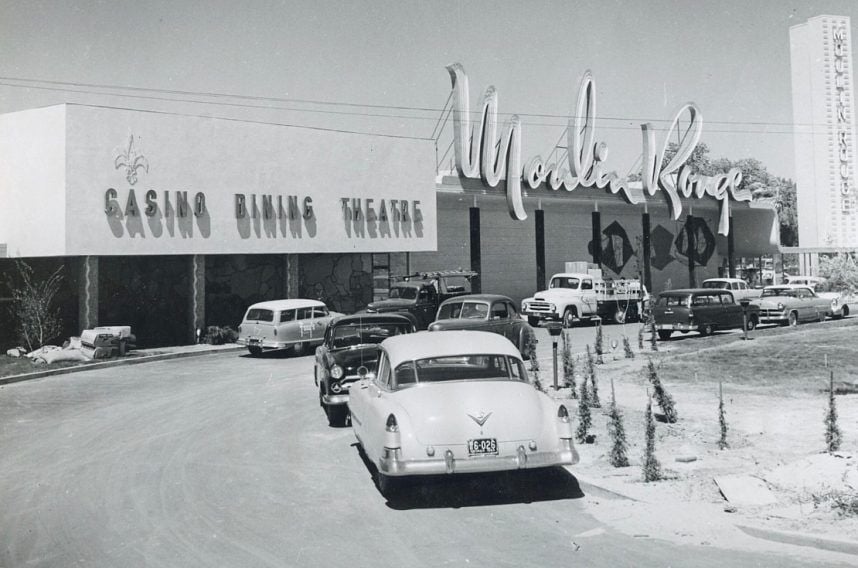
The history of Las Vegas casinos is often defined by glamour and lights, but the legacy of the Moulin Rouge offers a much deeper story of social change. The history of Las Vegas casinos is often defined by glamour and lights, but the legacy of the Moulin Rouge offers a much deeper story of social change. While many people associate the citys evolution with modern luxury, the Moulin Rouge holds a uniquely significant place in the development of Las Vegas casinos as the first racially integrated hotel casino in the United States. Although it was demolished 15 years ago, its impact remains a revolutionary chapter in a city that was deeply segregated when it opened in May 1955.
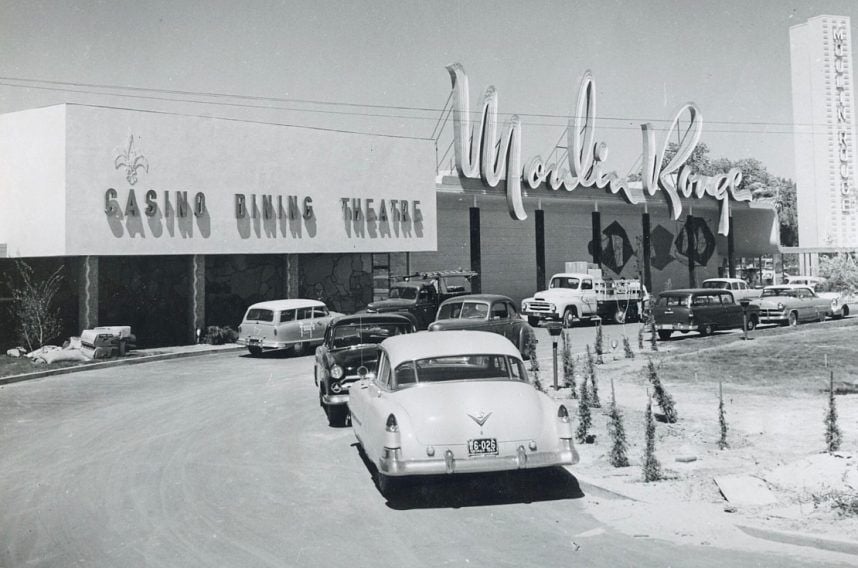
Unfortunately, despite its promise, the Moulin Rouge closed its doors merely six months later due to various challenges. Let’s explore the broader implications of this landmark venue and how it contributed to shifting social norms in Las Vegas.
Hall of Shame
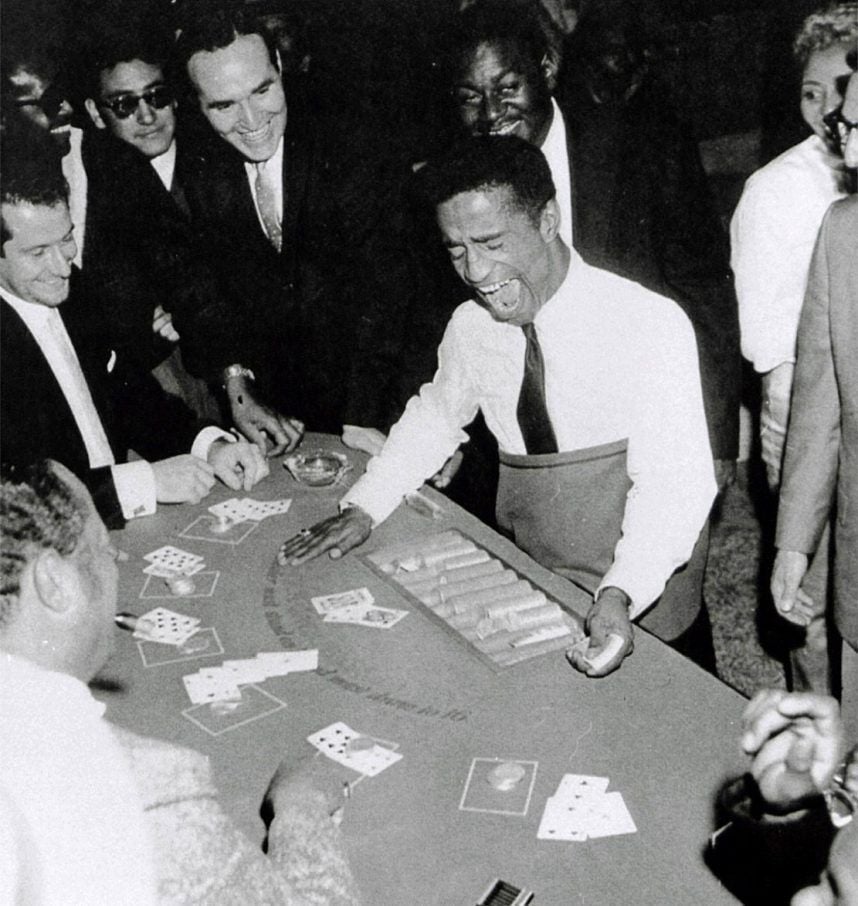
Prior to the establishment of the Moulin Rouge, Las Vegas was a fully segregated city. People of colour could only secure behind-the-scenes employment in Strip hotels, serving as cooks, maids, and maintenance staff. They faced restrictions not only in the jobs they could hold but were also barred from lodging at these venues. This reality held true even for prominent Black entertainers like Sammy Davis Jr., Nat King Cole, and Ella Fitzgerald.
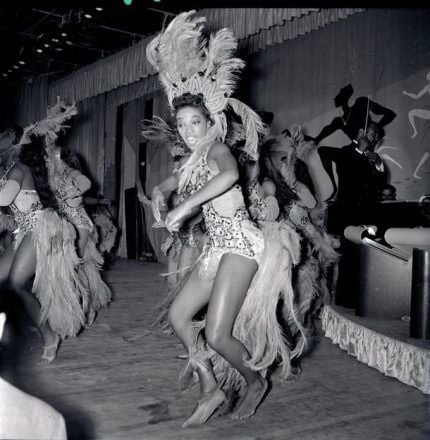
This significant change brought about by the Moulin Rouge is highlighted by a statement from Variety in 1955: “This unusual spot continues to attract the gambling crowd, who are not daunted by mingling in a racially mixed environment.” Glamorous performances, like those by Boots Wade and his dance troupe on opening night, set a precedent during a time when racial barriers were ubiquitous.
Though the Moulin Rouge could not end Vegas’ racist policies on its own, it was a catalyst for change. Just five years later, in March 1960, a pivotal meeting held there led to an agreement allowing African Americans greater access to the Strip, marking a definitive step towards racial integration in the city.
Reasons for Closure
Despite the initial success, there are several theories regarding why the Moulin Rouge closed so soon. Some historians suggest unpaid debts and insolvency among the owners played critical roles. Others point fingers at mob competition, which limited financial access and support. Importantly, racial discrimination made it even more difficult for the casino’s founders to secure bank loans, unlike their white counterparts on the Strip.
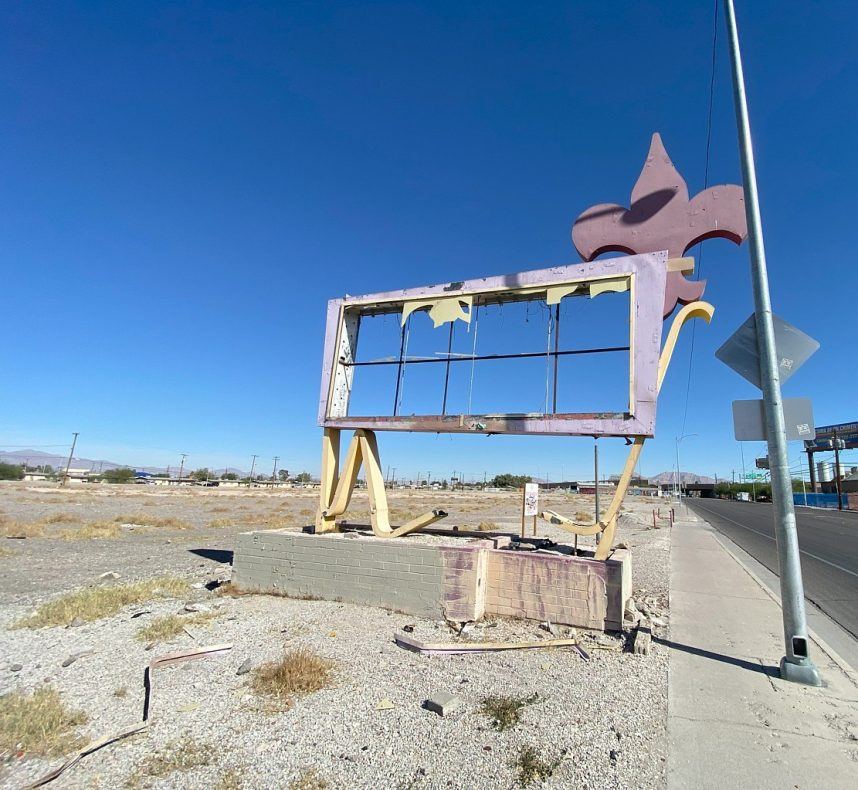
The Moulin Rouge’s building endured for another 48 years, subsequently being repurposed into a motel, public housing, and eventually a temporary shelter for the homeless. It was listed on the National Register of Historic Places in 1992, but sadly three fires (in 2003, 2009, and 2017) led to further decay of the structure.
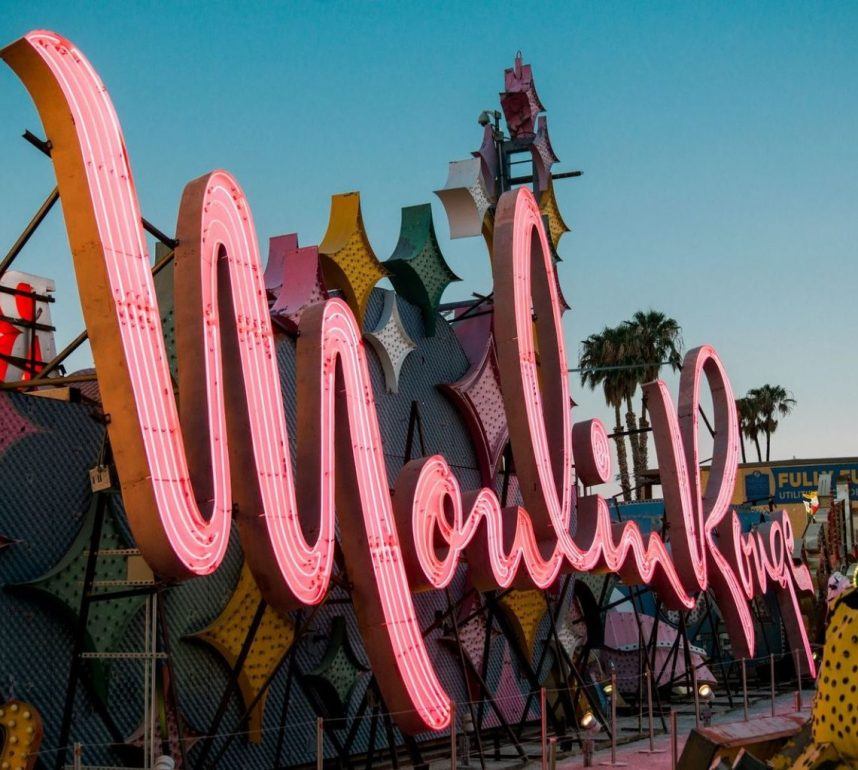
Following the demolition of the casino’s tower in 2010, the remaining structure faced a similar fate by 2017, with the last remnants being home to over 200 homeless individuals before being finally levelled. Today, all that remains of this iconic landmark is the skeleton of its roadside sign, while its neon lights now flicker in memory, showcased at the Neon Museum.
The Moulin Rouge represents an era of drastic social change and a landmark in Las Vegas’ tumultuous history regarding race relations. Its story continues to inspire discussions around social justice and equality today.
Learn More about Vegas History
If you’re interested in other stories related to Las Vegas history, check out our series “Lost Vegas.” Explore how various establishments have shaped the city’s identity over the years.

Frequently Asked Questions
What was the significance of the Moulin Rouge?
It was the first racially integrated hotel casino in the United States, igniting social change in Las Vegas.
Why did the Moulin Rouge close?
The Moulin Rouge closed due to financial difficulties and competition, despite its initial success.
What remains of the Moulin Rouge today?
Currently, only its iconic neon sign remains, with the site serving as a reminder of its historical significance.
Related guide: Play Now

