
History of Las Vegas – From Railroad Cottages to Las Vegas Casinos: A Journey Through Lost Vegas | 10BET
Lost Vegas: From Railroad Cottages to the Worlds Best Las Vegas Casinos
Lost Vegas: From Railroad Cottages to the Worlds Best Las Vegas Casinos When planning a trip to the entertainment capital of the world, it is essential to keep these key facts in mind regarding Las Vegas casinos to ensure your gaming experience is both seamless and exhilarating.

- Las Vegas was originally established by railroad workers searching for housing.
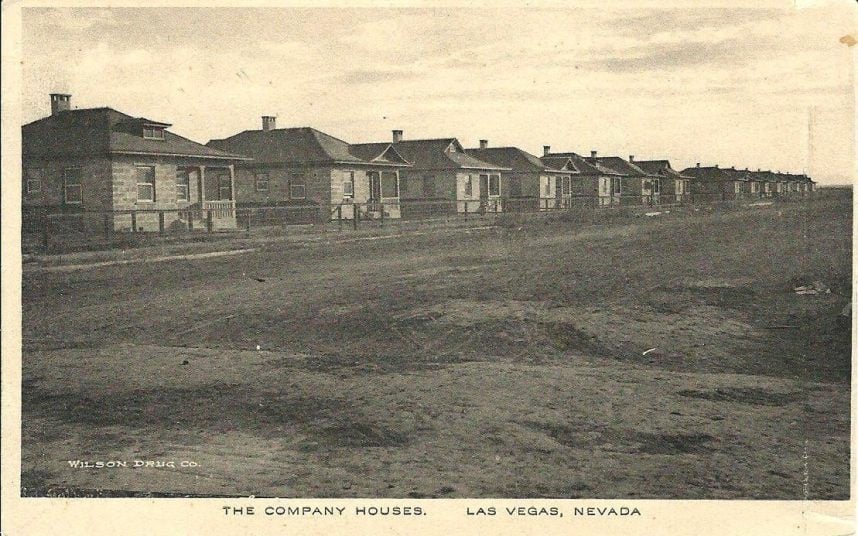
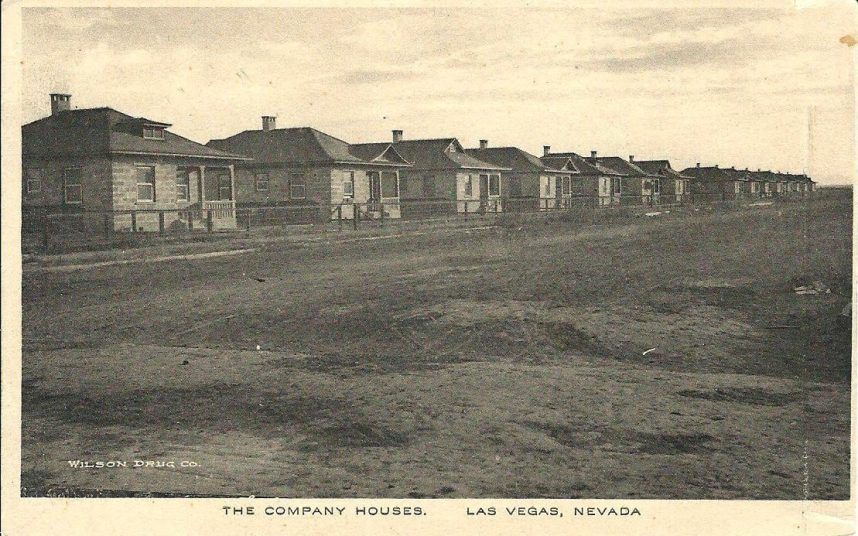
- Between 1909 and 1911, the Salt Lake (now Union Pacific) Railroad constructed 64 cottages for its workers.
- Only one of the original cottages remains today, standing from those built over a century ago.
Before it became renowned as the entertainment capital of the world, Las Vegas was a humble railroad town. Its modern allure can sometimes overshadow the rich history of its early days, which revolved around the economic lifeline provided by the railroad.
The influx of settlers during this period was primarily comprised of labourers, mechanics, and clerks associated with the San Pedro, Los Angeles, and Salt Lake (now Union Pacific) Railroad. This significant rail line arrived in Las Vegas in 1905, instigating a land auction that would firmly establish the area as a burgeoning community.
To accommodate the growing number of workers — predominantly white, male American citizens and Mexican immigrants, alongside a few Chinese and European migrants — the railroad built 64 cottages between 1909 and 1911. This monumental project cost about AUD 110,000 (equivalent to approximately AUD 3.65 million today).
The two- and three-bedroom cottages were constructed on land that had previously served as ranch land along Second, Third, and Fourth Streets (currently known as Casino Center Boulevard). Due to the scarcity of lumber in the desert, local artisans fashioned the cottages from half-size cinder blocks, using sand sourced from the nearby environment.
Before these cottages were erected, the railroad workers resided in tent homes located in downtown Las Vegas.
Historic Recognition and Change
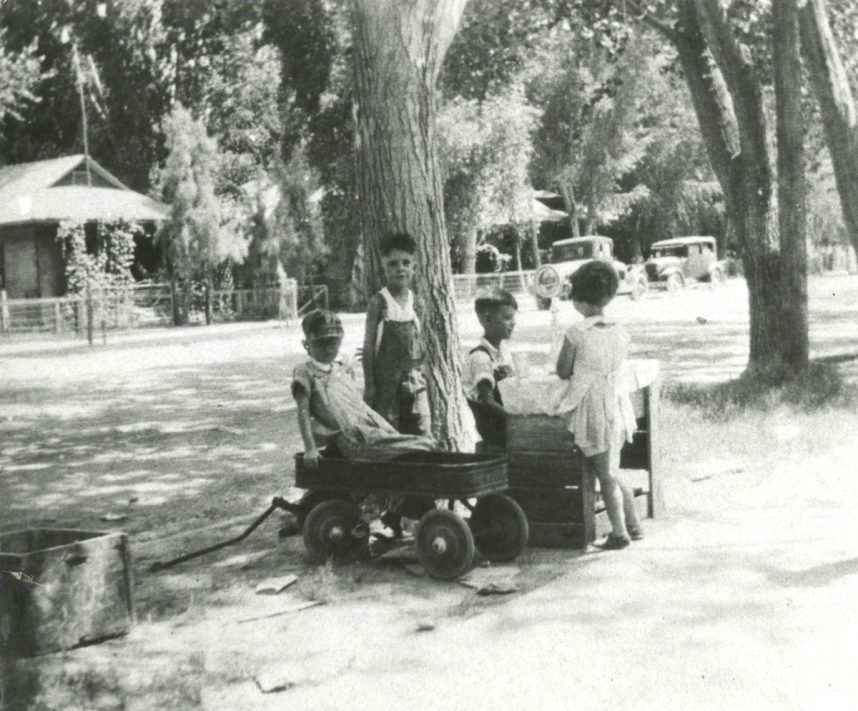
A survey carried out by the City of Las Vegas in 1978 identified 28 remaining cottages, but only eight managed to gain listing on the National Register of Historic Places in 1987.
Sadly, many of the cottages were lost, either demolished or moved to accommodate the development of a 60-storey condo tower called Club Renaissance. Four of the cottages were relocated to the Springs Preserve museum in 2005 and opened to the public in 2017, while another was moved to the Clark County Museum in Henderson.
Why Preservation Is Critical
Receiving historical designation does not inherently guarantee protection from changes, demolition, or relocation, especially for privately owned properties. Though it offers recognition and potential tax benefits for preservation efforts, it does not constrain property owners from altering or removing structures unless they trigger a federal or state review according to the National Historic Preservation Act.
Due to the lack of local historical district protection, these cottages have been exposed to significant development pressures.
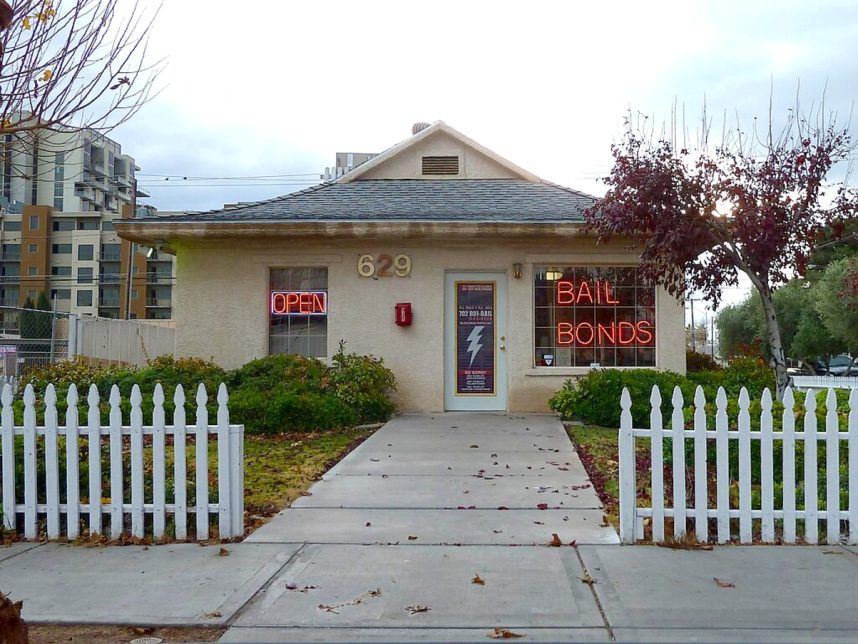
The last remaining cottage at 629 S. Casino Center Blvd. is still standing, having avoided the waves of development due to its location outside the path of Club Renaissance. This cottage holds the distinction of being one of the oldest houses still remaining in Las Vegas, aside from the Old Mormon Fort established in 1855.
Interestingly, the anticipated Club Renaissance condo tower was never constructed!
The “Lost Vegas” series aims to shed light on the forgotten history of Las Vegas. If you have an intriguing Vegas story that’s been lost to history, feel free to email us for a feature!
Summary: The Railroad Cottages represent a critical piece of Las Vegas’s early history, reflecting the town’s origins as a railroad hub. From their construction to their current status, the cottages illustrate the challenges of preserving historical sites amid modern development. Despite many being lost, the remaining cottages continue to tell the story of the hardworking individuals who shaped this iconic city.
Frequently Asked Questions
What were the railroad cottages in Las Vegas?
They were homes built for railroad workers in the early 1900s, representing Las Vegas’s humble beginnings.
Why is preserving historical sites important?
Preserving historical sites helps maintain cultural heritage and tells the story of the community’s past.
What challenges do historical sites face?
Historical sites often face threats from development pressures and lack of protections.
Related guide: Play Now

