
Illegal Gambling and Money Laundering: Macau Money Exchange Ring Busted
Millions Laundered in Macau Money Exchange Bust Linked to Illegal Gambling Rings
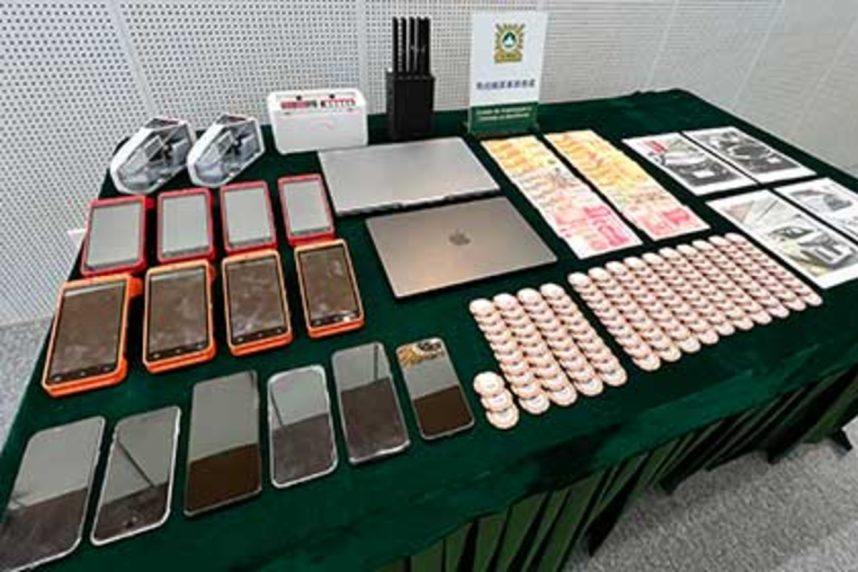
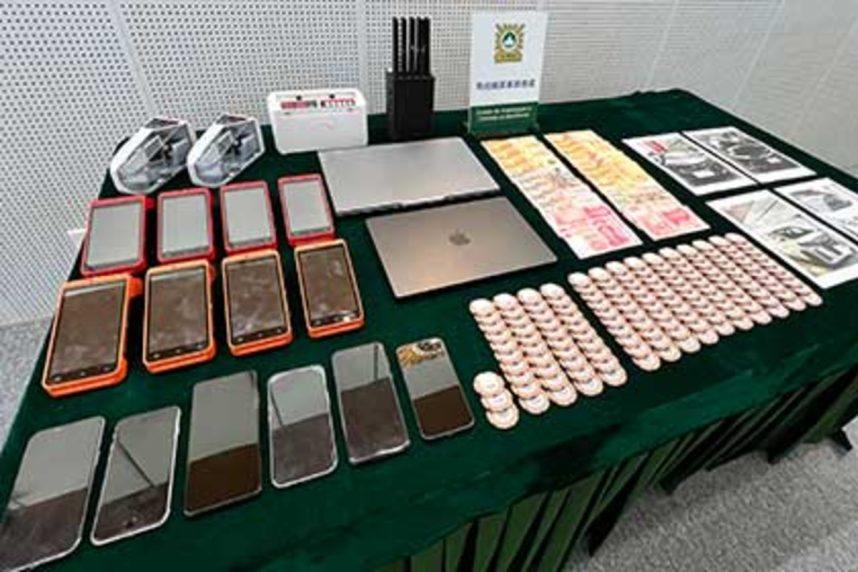
Millions Laundered in Macau Money Exchange Bust Linked to Illegal Gambling Rings Police in Macau have made a significant step in combatting illegal gambling activities by dismantling an unlicensed money exchange operation. This operation was discovered to have provided a means for mainland Chinese gamblers to transfer large amounts of cash into Macau, bypassing regulations aimed at restricting such activities.

Key Facts About the Case
- Allegations of Unlawful Operations: The money exchange was operating without a license, despite the enactment of laws making such operations illegal in 2024.
- Location Impacted: This illegal enterprise was based in Macau, a critical gambling hub where cash transactions are common.
- Financial Transactions: The police reported that the operation facilitated the transfer of at least HK$300 million (approximately US$38.2 million) into the city.
Legislative Backdrop
The enforcement actions come in the wake of the Law to Combat Crimes of Illegal Gambling, which was implemented by the Macau Special Administrative Region Government. This law strictly prohibits unauthorized currency exchanges, thereby reducing the number of avenues available for illicit financial transactions.
Significance of the Operation
Macau has strict regulations that limit travelers to carrying no more than US$5,000 in cash. Hence, unlicensed exchanges have become a lifeline for many gamblers seeking to bring in larger amounts of money for gaming purposes. This crackdown is seen as a crucial step in maintaining the integrity of the gambling sector in Macau.
Impacts on the Gambling Community
The police’s recent actions highlight a broader trend in which many mainland gamblers have relied on illegal money exchanges to move funds discreetly. Prior to the law’s implementation, such operations helped individuals circumvent entry restrictions that aimed to control capital outflow from China.
Despite concerns that tightening regulations would hurt casino revenues, recent reports indicate that Macau’s casino industry continues to thrive. With visitor numbers rebounding and gross gaming revenue showing a 6.5% increase compared to the previous year, it appears that the sector is increasingly adapting to these regulatory changes without the clandestine help of junkets and unlicensed cash exchanges.
Stringent Penalties for Violators
The recent legislation has also intensified penalties against those engaging in illegal financial activities. Offenders who facilitate unauthorized money transfers into Macau now face penalties of up to five years in prison. The authorities have already arrested four individuals involved in this latest operation, all of whom face serious charges related to running a criminal syndicate.
Conclusion
The proactive measures taken by Macau’s Judiciary Police reveal a firm commitment to crack down on illegal gambling operations and maintain the integrity of the gaming landscape. As financial transfers become increasingly regulated, Macau aims to navigate the balance between a thriving gambling economy and the oversight necessary to discourage illegal activities.
This recent bust signifies a critical victory in law enforcement’s ongoing battle against illegal gambling, signalling to both participants in this illicit market and legitimate operators that strict adherence to the law will be enforced rigorously.
Frequently Asked Questions
What was the illegal money exchange in Macau?
An unlicensed operation providing cash transfer services to mainland Chinese gamblers.
What are the penalties for illegal gambling in Macau?
Offenders face penalties of up to five years in prison.
How much money was involved in the operation?
The operation facilitated the transfer of at least HK$300 million (approximately US$38.2 million).
Related guide: Play Now

