
Tribal casino rights – Minnesota Regulators Support Tribal Casino in Controversial Power Dispute
Minnesota Regulators Support Tribal Casino in Controversial Power Dispute
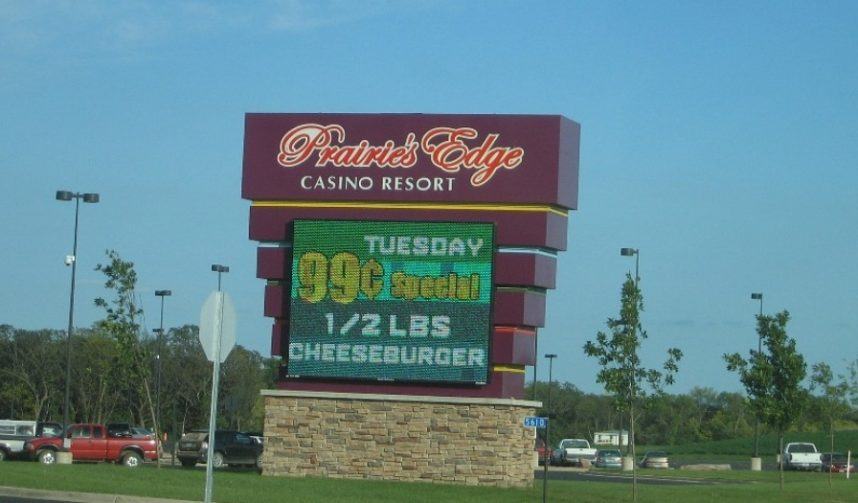
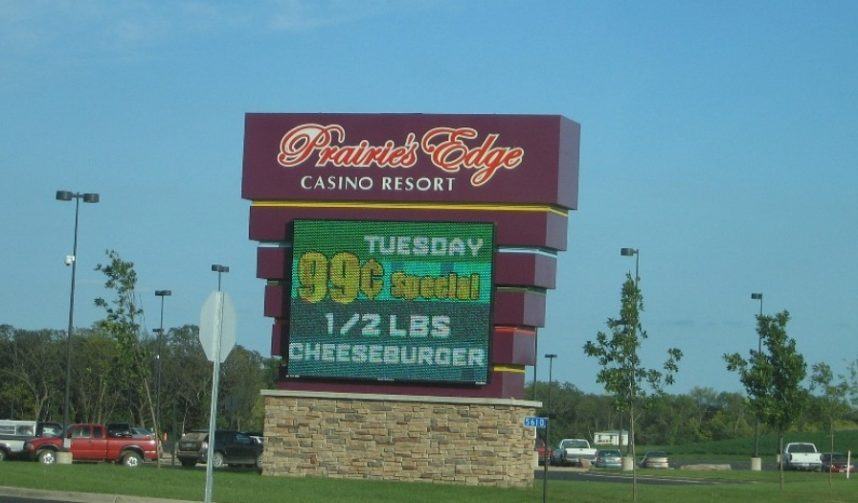
A significant energy dispute is unfolding in Minnesota, where a utility company has threatened to disconnect power to the Prairie’s Edge Casino Resort. Key Highlights of Your Next Visit to a Tribal Casino:

- State regulators back tribal authority in renewable energy dispute.
- Utility threatens to cut power supply over a solar energy setup.
- Regulatory body warns of repercussions for the utility in case of further actions.
A significant energy dispute is unfolding in Minnesota, where a utility company has threatened to disconnect power to the Prairie’s Edge Casino Resort. This comes as the Upper Sioux Community seeks to activate a new solar power system, prompting a backlash from state regulators. Experts believe this situation highlights important issues around the rights of tribal nations and their ability to manage renewable energy projects independently.
The Minnesota Valley Cooperative Light and Power Association, serving areas with sparse populations in the western region of the state, claims the tribe’s new solar array illegally exceeds its usage limits, sparking threats to sever electrical ties. However, representatives of the Upper Sioux Community assert that the solar array, which generates 2.5 megawatts, is designed exclusively for on-site use without sending power back to the grid, thus claiming that the utility’s restrictions are unwarranted.
Tribe Asserts Energy Rights
The installation, costing multiple million dollars, is expected to cover approximately 30% of the casino’s energy needs while contributing to their sustainability goals. The Upper Sioux Community has taken a stand, stating that they hold sovereignty as a tribal nation and, as such, should not be bound by the utility limits imposed by Minnesota law.
In an effort to strengthen their position, the tribe has filed a complaint with the state’s Public Utilities Commission (PUC). Following a recent hearing, commissioners unanimously sided with the tribe, threatening the cooperative with the loss of its ability to serve the community should it persist in its adversarial tactics.
Regulators Push Back
The PUC’s decision reflects a notable shift in recognizing the rights of tribal nations in energy matters. Many commissioners voiced concerns about the potential implications of cutting power to a facility that serves the public, including the risk posed to individuals dependent on medical devices or adequate cooling systems. Commissioner Joe Sullivan condemned the cooperative’s actions as “outrageous.” In a questioning tone, Republican commissioner John Tuma suggested that the utility should not assume exclusive control over energy distribution, emphasising its duty to serve.
The PUC voted unanimously to initiate an investigation into the utility’s actions, instructing legal representatives to seek preventative measures against any premature disconnection while the review is underway.
This case is poised to set a precedent for similar disputes across the nation, affecting how utilities and tribal governments interact over resources, especially in light of growing renewable energy interests.
Additional Facts to Consider
- The Arizona tribes have similar battles with local utilities related to renewable energy projects.
- Renewable energy installations are becoming increasingly common in tribal lands, with significant potential benefits.
- Regulatory structures often lack clear guidelines on the relationship between state utilities and sovereign tribal nations.
Overall, the ongoing situation between the Upper Sioux Community and the Minnesota Valley Cooperative highlights the complexities at the crossroads of energy sovereignty and public utility regulations. It underscores the need for collaborative solutions that can integrate clean energy initiatives with supportive regulatory frameworks.
Summary: Minnesota’s upper officials have sided with the Upper Sioux Community, defending their rights to activate a solar array despite threats from the Minnesota Valley Cooperative about power cuts. This development is a crucial reflection of tribal authority in renewable energy disputes, indicating significant implications for state utility regulations moving forward.
Frequently Asked Questions
What is the central issue regarding the Prairie’s Edge Casino?
The central issue involves power supply threats due to a solar array installation by the Upper Sioux Community.
How have regulators responded to the utility’s threats?
Regulators have sided with the tribe, threatening action against the utility if they persist.
What implications does this dispute have for tribal sovereignty?
This dispute highlights the rights of tribal nations to manage renewable energy without jurisdictional overreach by utilities.
Related guide: Play Now

