
Las Vegas Myths – Las Vegas Strip Myths Re-Busted: From Elvis’s Dark History to Casino Legends | 10BET
Las Vegas Strip Myths Re-Busted: From Elvis’s Controversies to Casino Legends
Las Vegas Strip Myths Re-Busted: From Elvis’s Controversies to Casino Legends EDITOR’S NOTE: “Vegas Myths Busted” publishes new entries every Monday with special editions, exploring the many legends that define the neon glow of the Las Vegas Strip. This entry revisits Elvis Presley’s controversial legacy, examining how the King’s influence shaped the entertainment landscape of the worlds most famous gambling destination in honor of the ongoing conversations surrounding race in America.

In 2002, hip-hop artist Mary J. Blige performed “Blue Suede Shoes,” a song made famous by Elvis Presley, during VH1’s special. Blige stated, “I prayed about it because I know Elvis was a racist. But that was just a song VH1 asked me to sing. It meant nothing to me.” This statement reflects the ongoing debate about Elvis’s legacy as a cultural icon.
In a 2021 interview, music producer Quincy Jones claimed he would never work with Presley, referring back to his experiences in the 1950s when he heard Tommy Dorsey refuse to play with him, citing Presley’s racist beliefs.
“Elvis came in, and Tommy said: ‘I don’t want to play with him,’” Jones recounted, stating Elvis was “a racist mother******.”
Moreover, Ray Charles voiced his frustration in a 1994 interview, questioning Elvis’s «king» status, stating, “He was doing our kind of music. So what the hell am I supposed to get so excited about?”
A Culture on a Thin Line: Elvis and Racial Appropriation
Elvis’s appropriation of rhythm and blues music, primarily created by Black artists, draws criticism. Many argue he benefited from white privilege, profiting from a musical style that many Black artists never achieved fame or wealth within.
- Elvis gained fame from songs like “That’s All Right, Mama,” originally performed by Arthur Crudup, who did not receive proper credit until much later.
- Crudup was credited on the 1954 single but did not receive $60K in back royalties for years.
- Elvis’s style was not a gimmick; it was a natural expression that resonated with a wide audience.
Elvis’s concerts in Las Vegas, notably at the New Frontier, likely catered to a segregated audience during his debut in 1956. The Las Vegas Strip during that time was prevalent with whites-only clubs where Black musicians often weren’t welcome in the audience.
It wasn’t until 1960 that African-Americans were allowed to patronise these establishments, spurred on by civil rights movements and protests. Elvis, still a newcomer, had little negotiating power to demand integration in his contracts.
The Accused Racial Slur
By 1957, Elvis faced allegations of using a racial slur in a Boston performance. A sensationalist publication, Sepia, published an article claiming “Some Negroes are unable to forget that Elvis was born in Tupelo, Mississippi…” Those claims suggested that he made derogatory statements toward Black individuals.
Journalist Louie Robinson extensively investigated the allegation and concluded that the rumor stemmed from unfounded sources. Elvis, in an interview, firmly denied ever saying anything derogatory, stating, “I never said anything like that… nobody can sing that kind of music like colored people.”
Elvis’s Connection to Black Culture
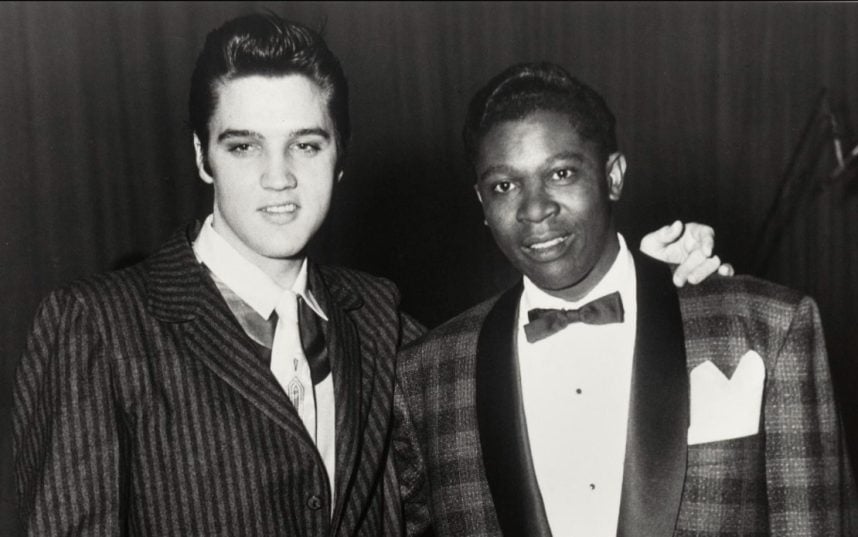
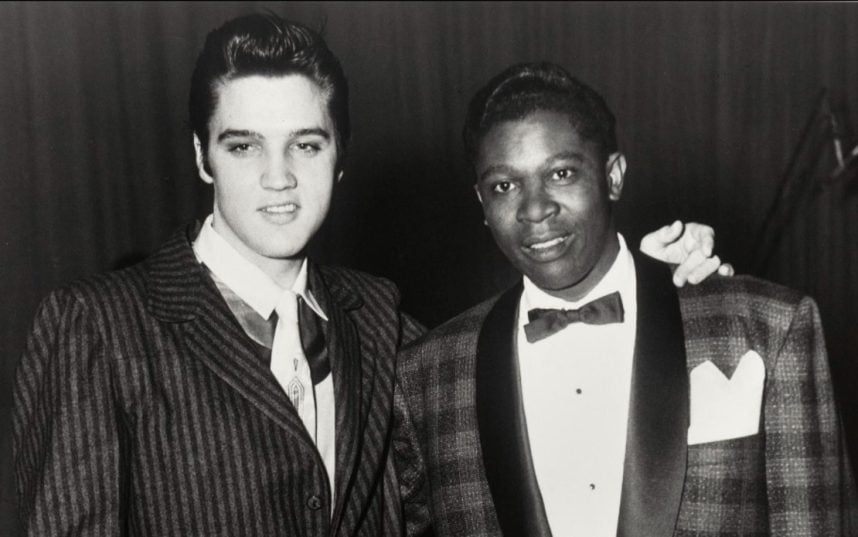
Raised on the divides of segregated Mississippi, Elvis spent much of his early life amidst Black communities. His early musical influences stemmed from Gospel music in Black churches and friendships with musicians such as B.B. King, who praised him for his talent.
Reports from 1956 noted that Elvis’s attendance at events like WDIA’s charity shows earned him praise from Black communities.
The Comeback Special and Race Relations
The 1968 television special “Singer Presents … Elvis” underwent a significant transformation due to the turbulent social climate following the assassination of Martin Luther King Jr. and Robert F. Kennedy. Elvis insisted on ending the show with a thematic message promoting brotherhood.
The song he ultimately performed, “If I Can Dream,” is a powerful reflection of Dr. King’s vision of racial equality.
Chuck D’s Perspective
Public Enemy’s Chuck D, when asked about Elvis’s legacy, indicated the complexity of the issue, expressing respect for Elvis while highlighting that the icon could overshadow contributions of other artists.
“My whole thing was the one-sidedness, like, Elvis’ icon status in America made it like nobody else counted.”
Concluding Thoughts
Elvis played to segregated audiences during a time when such practices were commonplace; he used his influence to capitalize on music rooted in Black culture. Accusations of racism may cast a long shadow over his legacy, yet the deeper inquiry into his life reveals nuances worth discussing.
Ultimately, Elvis Prince’s role in American music remains complex—his contributions essential for rock’n’roll yet involved in an era rife with racial inequalities.
Summary
The legacy of Elvis Presley stands as a symbol of both musical genius and social controversy. While he achieved unimaginable success, the discussions around his cultural appropriation and alleged racism continue to provoke thought. This article aims to offer insights into Elvis’s impact on music and the ongoing dialogues regarding race within America.
Frequently Asked Questions
What is the main focus of the myths explored?
The article focuses on Elvis Presley’s influence and controversies in Las Vegas history.
Why are these myths relevant today?
They highlight ongoing discussions about race and cultural appropriation in America.
What is the significance of Elvis in Las Vegas?
Elvis shaped the music scene and cultural identity of Las Vegas during his career.
Related guide: Play Now
