
Casino Expansion Fraud in Florida – How Casino Expansion Plans Impact Legal Scrutiny: Florida Woman Convicted in LVS Fraud Case | 10BET
Florida Woman Convicted in LVS Fraud Case Amidst Growing Casino Expansion Scrutiny
- Maria Bautista submitted 191 fraudulent petitions in the 2021 campaign
- Scheme targeted a constitutional amendment for Florida casino expansion
- Las Vegas Sands and Seminole Tribe clashed over initiative

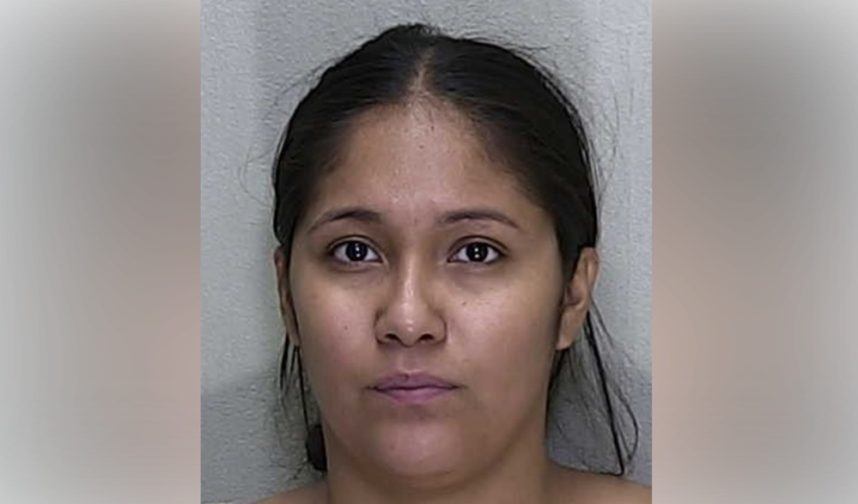
Florida Woman Convicted in LVS Fraud Case Amidst Growing Casino Expansion Scrutiny. The legal fallout from a failed ballot campaign to permit limited gaming in Florida has taken a dramatic turn, centered on the controversial push for a massive casino expansion in the state. In a shocking development, an Ocala woman has been found guilty of 13 counts of personal identification fraud, crimes directly linked to the high-stakes efforts by Las Vegas Sands Corp to secure the legislative foothold necessary for their proposed casino expansion.
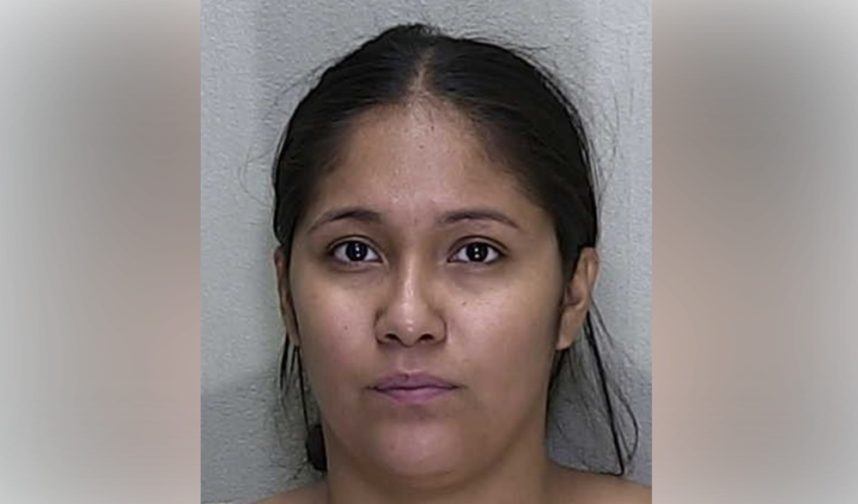
Maria Guadalupe Bautista, only 26 years old, was convicted by a Marion County jury for her role in a fraudulent petition scheme that was part of a heated campaign to legalise casino gaming in Florida.
In 2021, Las Vegas Sands invested a staggering $49.5 million into a political action committee (PAC) called “Florida Voters in Charge” (FVC). This PAC aimed to place an initiative on the 2022 ballot that would allow North Florida card rooms to transform into casinos.
If successful, this initiative would have enabled Las Vegas Sands and other gaming enterprises to purchase existing parimutuel card rooms in the Jacksonville region, effectively allowing them to develop casinos akin to those in Las Vegas.
Contentious Campaign
The initiative sparked fierce opposition from the Seminole Tribe of Florida, which holds exclusive rights to casino gaming in the state. In response, the Tribe poured millions into thwarting the FVC initiative, employing various tactics to undermine the campaign.
Reports surfaced that the FVC accused the Seminoles of resorting to underhanded strategies, including the evident “coordinated harassment and intimidation” of signature gatherers.
Ultimately, the FVC campaign fell short of securing the necessary signatures to make it onto the ballot, with numerous invalid submissions cropping up, including many with falsified signatures from deceased individuals.
Local election officials reported a landscape marred by “widespread fraud”, with one supervisor even revealing their own name appeared on a petition under investigation.
Fake Signatures Revealed
An investigation conducted by the Florida Department of Law Enforcement uncovered that Bautista had submitted 191 out of 767 suspicions regarding fraudulent petitions.
Upon deeper examination, it was discerned that 16 of the petitions submitted by Bautista had forged signatures, two of which were from individuals who had passed away prior to the date they were signed. She has been under arrest since August 2023.
“This fraud is a way to bypass the state’s legislative procedures, turning Florida’s Constitution into a playground for political machinations, which is simply unacceptable,” remarked Attorney General James Uthmeier in a statement.
As a result of her actions, Bautista is expected to face a minimum of three years in prison upon sentencing.
In summary, this case highlights the serious implications of election fraud and the lengths some may go to manipulate the political process. The campaign’s failings illustrate the crucial need for integrity and transparency in maintaining democratic processes, particularly in hotly contested areas like gambling legislation.
Frequently Asked Questions
What crimes did Maria Bautista commit?
She was convicted of personal identification fraud linked to a petition scheme for casino expansion.
What was the initiative about?
It aimed to legalize casino gaming in Florida amidst strong opposition.
What are the consequences of petition fraud?
Bautista faces a minimum of three years in prison for her actions.
Related guide: Play Now
